Equipment is a term that resonates across multiple industries, from construction and manufacturing to healthcare and technology. Its relevance lies not only in facilitating daily operations but also in driving productivity, safety, and innovation. In this article, we will explore the different types of equipment, their applications, operational considerations, and strategic importance in modern enterprises. By the end, readers will gain a thorough understanding of equipment management, selection, and optimization strategies.
Defining Equipment
Equipment refers to the tangible tools, machinery, or devices used to perform specific tasks, improve efficiency, and support processes. Unlike consumable materials, equipment is durable, often requires maintenance, and represents a significant investment. Properly selected equipment can reduce labor costs, enhance productivity, and minimize errors in operations.
Key Characteristics of Equipment
- Durability: Designed to withstand repeated use over long periods.
- Purpose-Specific Functionality: Each equipment type serves a distinct operational goal.
- Maintenance Needs: Requires periodic inspections, repairs, or upgrades to remain efficient.
- Investment Value: Often represents a substantial financial commitment for businesses.
Types of Equipment
Equipment can be categorized based on its function, mobility, and industry application. Understanding these distinctions is critical for informed decision-making and effective management.
1. Industrial Equipment
Industrial equipment encompasses machinery and tools used in manufacturing, construction, and production environments. This category includes:
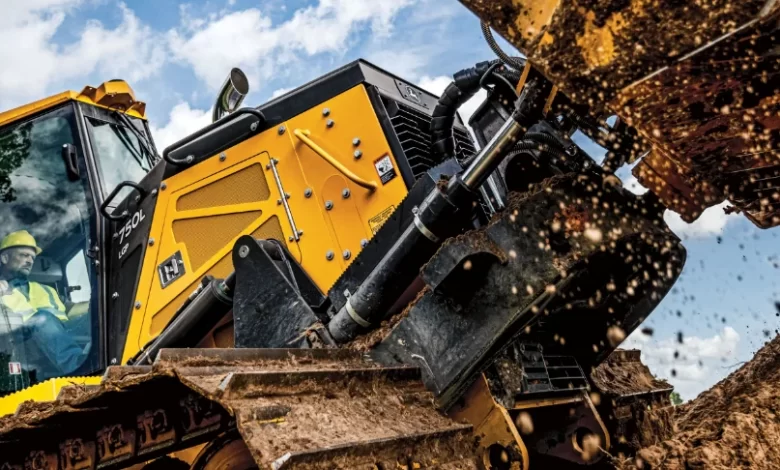
- Heavy Machinery: Excavators, cranes, bulldozers, and forklifts designed for construction or industrial sites.
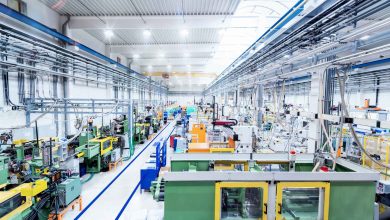
- Production Machinery: Conveyor systems, CNC machines, robotic arms, and presses utilized in factories for automated or semi-automated processes.
- Processing Equipment: Boilers, mixers, centrifuges, and filtration systems used in food, chemical, or pharmaceutical production.
Operational Considerations: Industrial equipment typically requires skilled operators, routine safety inspections, and adherence to regulatory standards such as OSHA or ISO certifications.
2. Medical Equipment
Healthcare relies on specialized equipment to diagnose, treat, and monitor patients. This category is critical for clinical efficiency and patient safety.
- Diagnostic Equipment: MRI machines, X-ray systems, ultrasound devices, and blood analyzers.
- Therapeutic Equipment: Ventilators, infusion pumps, dialysis machines, and surgical robots.
- Support Equipment: Hospital beds, oxygen delivery systems, and sterilization units.
Operational Considerations: Medical equipment must comply with stringent regulations such as FDA approvals, regular calibration, and preventive maintenance schedules to ensure accuracy and safety.
3. Office Equipment
While often overlooked, office equipment forms the backbone of administrative operations, facilitating communication, data management, and workflow efficiency.
- Computing Devices: Desktops, laptops, servers, and networking hardware.
- Peripheral Devices: Printers, scanners, projectors, and telecommunication tools.
- Furniture and Fixtures: Ergonomic chairs, desks, and filing systems that support long-term productivity.
Operational Considerations: Even office equipment benefits from scheduled maintenance, software updates, and proper ergonomics to prevent downtime and workplace injuries.
4. Personal Protective Equipment (PPE)
In industries like construction, mining, and chemical manufacturing, PPE is essential for worker safety. While often simple in design, its role is critical in preventing injuries and maintaining compliance.
- Protective Clothing: High-visibility jackets, flame-resistant suits, chemical-resistant gowns.
- Head Protection: Helmets, hard hats, and face shields.
- Respiratory Protection: Masks, respirators, and ventilators.
- Eye and Hand Protection: Goggles, gloves, and safety footwear.
Operational Considerations: PPE must be correctly sized, regularly inspected, and replaced when worn to maintain optimal protection.
Selecting Equipment: Factors to Consider
Choosing the right equipment involves more than simply purchasing the latest models. Strategic selection ensures operational efficiency, longevity, and financial sustainability.
1. Operational Requirements
Assess the exact tasks that the equipment needs to perform. Understand the capacity, speed, and precision necessary to meet production or service goals.
2. Cost Analysis
Include the initial purchase price, installation, operational costs, and maintenance expenses. A total cost of ownership (TCO) approach helps organizations make financially sound decisions.
3. Compatibility
Equipment should integrate seamlessly with existing systems, workflows, and technology infrastructure. This reduces downtime and operational disruptions.
4. Safety and Compliance
Ensure the equipment meets relevant industry standards and regulatory requirements. Safety certifications, such as CE marking or ISO compliance, indicate adherence to established guidelines.
5. Future Scalability
Select equipment that can accommodate growth or evolving operational needs. Modular systems or equipment with upgrade options can extend usability and improve ROI.
Maintenance and Lifecycle Management
Even the highest-quality equipment degrades over time. Effective maintenance ensures longevity, reduces unexpected downtime, and safeguards operational continuity.
1. Preventive Maintenance
Scheduled inspections, lubrication, calibration, and part replacement prevent major breakdowns. Preventive maintenance programs extend the equipment’s lifecycle and maintain efficiency.
2. Predictive Maintenance
Utilizing IoT sensors, AI monitoring, and real-time analytics, predictive maintenance forecasts potential issues before they become critical. This approach reduces emergency repairs and improves safety.
3. Corrective Maintenance
Repairs performed after equipment failure address immediate issues but may be costlier and disrupt operations. Combining corrective actions with preventive strategies balances efficiency and cost.
4. Equipment Replacement
Over time, wear and technological obsolescence necessitate equipment replacement. Evaluating replacement intervals based on performance metrics, maintenance history, and operational demands ensures smooth transitions.
Strategic Role of Equipment in Business Operations
Equipment is not merely a set of tools; it is a strategic asset that influences overall business performance.
- Productivity Enhancement: Automation and advanced machinery accelerate workflows, reduce human error, and increase output.
- Cost Efficiency: High-performance equipment reduces energy consumption, labor costs, and material wastage.
- Competitive Advantage: Investing in innovative equipment can differentiate businesses in terms of speed, quality, and service reliability.
- Risk Management: Well-maintained equipment minimizes workplace accidents, regulatory violations, and operational disruptions.
Technological Trends in Equipment
Modern equipment increasingly incorporates cutting-edge technology to improve functionality, monitoring, and automation.
- IoT Integration: Connected sensors enable real-time monitoring of performance, predictive maintenance, and data-driven decisions.
- Automation and Robotics: Automated equipment reduces reliance on manual labor and enhances precision in production and service delivery.
- Sustainable Design: Energy-efficient equipment and eco-friendly materials reduce environmental impact while improving cost efficiency.
- Smart Interfaces: User-friendly controls, AI-assisted guidance, and digital dashboards simplify operations and training requirements.
Equipment Optimization Strategies
To maximize returns and operational efficiency, organizations should adopt strategic approaches to equipment management.
- Regular Training: Operators should receive ongoing training on safe and effective equipment usage.
- Data-Driven Insights: Use performance metrics to identify inefficiencies, monitor maintenance needs, and forecast equipment upgrades.
- Standardization: Utilizing standardized models reduces spare part complexity, training needs, and operational downtime.
- Leasing vs. Buying: Depending on usage patterns, leasing certain equipment may provide cost flexibility while keeping technology updated.
Challenges in Equipment Management
Managing equipment comes with unique challenges that organizations must address.
- High Capital Investment: Purchasing advanced equipment requires substantial upfront funds, impacting cash flow.
- Downtime Risks: Equipment failure can halt operations, causing financial and productivity losses.
- Maintenance Complexity: Specialized equipment often requires technical expertise and dedicated maintenance teams.
- Obsolescence: Rapid technological advancements can render equipment outdated, necessitating upgrades or replacements.
Real-World Applications
- Construction Industry: Heavy machinery like cranes, excavators, and loaders are crucial for infrastructure projects. Efficient equipment management reduces project timelines and ensures safety.
- Healthcare Sector: Advanced diagnostic and therapeutic equipment improve patient outcomes, reduce human error, and streamline hospital operations.
- Manufacturing Sector: Automated production lines and precision tools enhance productivity, reduce material waste, and maintain quality standards.
- Information Technology: High-performance servers, networking hardware, and peripheral devices support data-driven decision-making and seamless digital operations.
Conclusion
Equipment is more than a set of tools; it is a foundational pillar that drives efficiency, safety, and innovation across industries. Strategic selection, meticulous maintenance, and technological integration ensure that equipment contributes meaningfully to organizational goals. Businesses that prioritize equipment optimization gain measurable advantages in productivity, cost efficiency, and competitive positioning.
FAQs About Equipment
1. What factors determine the lifespan of equipment?
Equipment lifespan is influenced by quality, frequency of use, maintenance practices, operating conditions, and technological advancements. Regular preventive maintenance extends operational life.
2. How can businesses reduce equipment downtime?
Implementing predictive and preventive maintenance, operator training, real-time monitoring, and rapid-response repair protocols significantly reduces downtime.
3. Is it better to lease or purchase equipment?
Leasing offers flexibility, reduced upfront costs, and easier upgrades, whereas purchasing is more cost-effective long-term if equipment usage is intensive and predictable. The decision depends on operational needs and financial strategy.
4. How does equipment impact workplace safety?
Properly maintained and correctly used equipment reduces accidents, ensures regulatory compliance, and protects employees from hazards, especially in industrial and healthcare settings.
5. What are emerging trends in equipment technology?
IoT-enabled monitoring, robotics, automation, AI-driven analytics, energy-efficient designs, and smart interfaces are shaping modern equipment usage across industries.
6. How should organizations approach equipment replacement?
Replacement decisions should be based on performance metrics, maintenance history
, technological obsolescence, and operational requirements. Planning ahead avoids disruptions and ensures continuity.
7. Can equipment selection influence productivity?
Absolutely. Selecting equipment that aligns with operational goals, integrates with existing systems, and offers scalability directly enhances workflow efficiency, quality output, and business growth.