In every sector, from manufacturing and construction to healthcare and technology, equipment forms the foundation of operational efficiency, productivity, and innovation. Equipment encompasses a wide array of tools, machines, and devices that enable human labor to be more precise, faster, and safer. Understanding equipment in a comprehensive sense is vital for businesses, professionals, and even hobbyists who aim to maximize their output while minimizing costs and risks. This article dives deep into the types, functions, and considerations surrounding equipment to provide a thorough understanding of its critical role in modern society.
Types of Equipment and Their Applications
Equipment can be broadly categorized based on its usage, complexity, and sector. Each type of equipment serves specific purposes and carries unique operational requirements.
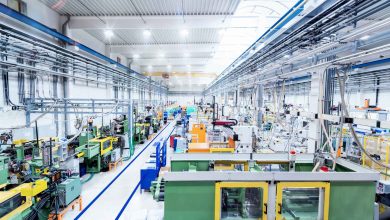
Industrial Equipment
Industrial equipment includes machinery and devices used in manufacturing, processing, and production environments. These can range from heavy machinery like cranes and forklifts to smaller devices like CNC machines and industrial robots.
Key components and examples:
- Machinery: Conveyor systems, milling machines, hydraulic presses.
- Robotics: Automated assembly arms, packaging robots.
- Material Handling: Forklifts, pallet jacks, hoists.
Industrial equipment enhances productivity, reduces manual labor, and ensures consistent quality. Modern industrial equipment often incorporates automation and IoT (Internet of Things) capabilities for real-time monitoring and predictive maintenance.
Construction Equipment
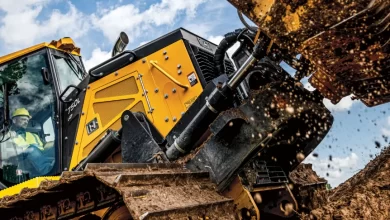
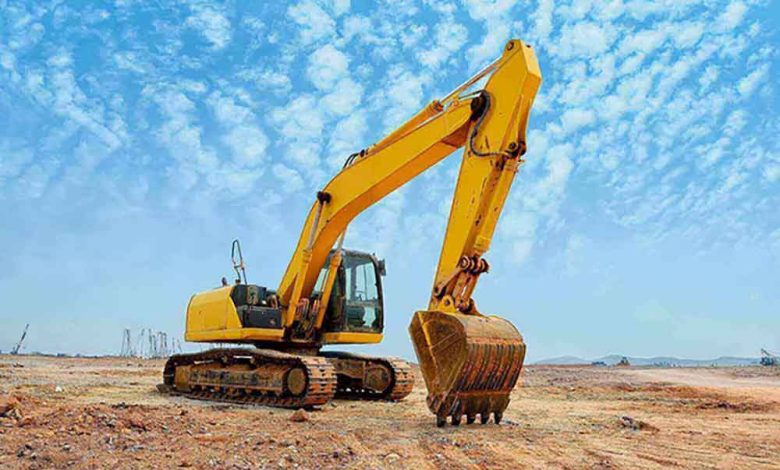
Construction equipment refers to machinery designed to perform tasks in building, excavation, and infrastructure projects. These tools range from small power tools to massive earthmoving machines.
Common construction equipment includes:
- Excavators and Backhoes: For digging, trenching, and earthmoving.
- Cranes: For lifting heavy loads and placing materials at heights.
- Concrete Mixers and Pumps: To efficiently mix and transport concrete on-site.
- Compactors and Rollers: To level surfaces and improve structural integrity.
Safety is a primary concern in construction equipment usage. Operators must be trained and certified to handle machinery safely, reducing accidents and improving productivity.
Medical Equipment
Medical equipment is essential for diagnosis, treatment, monitoring, and surgical procedures. The advancement of medical technology has led to the creation of sophisticated diagnostic tools and treatment devices that save lives and improve patient care.
Examples of medical equipment:
- Diagnostic Tools: MRI machines, CT scanners, ultrasound devices.
- Therapeutic Equipment: Radiation therapy machines, ventilators, infusion pumps.
- Surgical Instruments: Laparoscopic tools, robotic-assisted surgery systems.
- Monitoring Devices: Heart monitors, oxygen sensors, blood pressure monitors.
Proper maintenance and calibration of medical equipment are crucial to ensure accuracy and prevent malfunction, which can have life-threatening consequences.
Office and IT Equipment
Office equipment may appear less critical than industrial machinery but plays a vital role in organizational efficiency. IT equipment, in particular, forms the backbone of modern business operations.
Examples of office and IT equipment:
- Computers and Servers: For data processing and storage.
- Printers and Scanners: For documentation and communication.
- Networking Devices: Routers, switches, and firewalls for connectivity.
- Specialized Equipment: Video conferencing systems, biometric scanners.
Investing in reliable office equipment enhances workflow efficiency and supports seamless digital operations.
Personal and Recreational Equipment
Personal equipment includes tools and devices used for recreational activities, sports, or personal projects. While often smaller in scale, these pieces of equipment are equally important for performance, safety, and enjoyment.
Examples include:
- Sports gear: Helmets, protective padding, and training equipment.
- Hobby tools: Drones, cameras, and DIY kits.
- Safety devices: Fire extinguishers, emergency kits, and personal protective equipment (PPE).
Even for recreational use, quality equipment ensures safety and prolongs usability.
Key Factors to Consider When Choosing Equipment
Selecting the right equipment involves more than simply choosing the latest model or the cheapest option. Businesses and individuals must evaluate several critical factors to ensure optimal performance and return on investment.
Functionality and Purpose
Understanding the primary purpose of the equipment is essential. For example, choosing industrial machinery requires evaluating the types of tasks it can perform, the materials it can handle, and its operational capabilities.
Durability and Maintenance
Equipment longevity is influenced by its build quality, materials, and maintenance schedule. Equipment designed for heavy-duty use must withstand intense operational conditions and require minimal downtime for maintenance.
Maintenance considerations include:
- Scheduled inspections and servicing.
- Availability of replacement parts.
- Technician training and support.
Safety and Compliance
Equipment must adhere to safety standards and regulatory requirements specific to its sector. Non-compliance can lead to accidents, legal liabilities, and operational shutdowns.
Important safety factors:
- Emergency stop functions and fail-safes.
- Protective guards and shields.
- Operator training and certifications.
Cost and Return on Investment
While cost is a major factor, the long-term ROI should guide purchasing decisions. High-quality equipment might have a higher upfront cost but can deliver savings through durability, efficiency, and reduced maintenance.
Technological Integration
Modern equipment increasingly integrates technology such as automation, IoT sensors, and AI analytics. These advancements can enhance performance, provide predictive insights, and reduce operational risks.
Maintenance Strategies for Equipment Longevity
Proper maintenance ensures equipment remains operational and safe while reducing the likelihood of costly downtime. Effective strategies include:
- Preventive Maintenance: Regular inspections and servicing to prevent breakdowns.
- Predictive Maintenance: Using sensors and analytics to anticipate failures before they occur.
- Corrective Maintenance: Repairing or replacing faulty components after a malfunction.
- Record Keeping: Maintaining logs of inspections, repairs, and usage patterns to track equipment performance over time.
A well-structured maintenance plan not only extends the lifespan of equipment but also improves operational efficiency and safety.
The Role of Equipment in Operational Efficiency
Equipment is central to enhancing productivity and efficiency across industries. By reducing manual labor, increasing precision, and allowing for automation, businesses can achieve:
- Higher output levels: Machines can operate continuously with minimal fatigue.
- Consistent quality: Standardized processes reduce variability.
- Cost reduction: Automation and efficient machinery decrease labor and operational costs.
- Safety improvements: Equipment reduces exposure to hazardous conditions.
Investing in advanced equipment enables businesses to remain competitive while scaling operations effectively.
Emerging Trends in Equipment Technology
The equipment landscape is evolving rapidly, driven by technological innovation and shifting operational needs. Key trends include:
- Automation and Robotics: Reducing human intervention in repetitive tasks.
- Smart Equipment: IoT-enabled devices providing real-time monitoring and diagnostics.
- Energy Efficiency: Machines designed to consume less power and reduce environmental impact.
- Modular and Flexible Systems: Equipment that can be easily reconfigured for different tasks.
- Data-Driven Operations: Equipment that collects operational data for performance optimization.
Businesses that adopt these trends can improve productivity, sustainability, and overall competitiveness.
Challenges in Equipment Management
Despite its importance, managing equipment effectively comes with challenges:
- High Capital Costs: Purchasing and maintaining equipment can be expensive.
- Technological Obsolescence: Rapid advancement can render equipment outdated quickly.
- Operational Downtime: Breakdowns can disrupt production and cause financial losses.
- Training Requirements: Skilled personnel are needed to operate complex equipment safely.
- Regulatory Compliance: Ensuring equipment meets evolving safety and environmental standards requires continuous monitoring.
Addressing these challenges requires a proactive strategy that includes financial planning, training programs, and technology upgrades.
Equipment Selection Checklist
For businesses and professionals evaluating equipment, a systematic checklist can guide informed decisions:
- Define the purpose and operational requirements.
- Assess durability and expected lifespan.
- Evaluate maintenance needs and available support.
- Verify compliance with safety and regulatory standards.
- Consider cost relative to expected ROI.
- Check for technological integration and upgradeability.
- Review user training requirements and support resources.
- Examine energy efficiency and environmental impact.
A disciplined selection process ensures that the chosen equipment aligns with organizational goals and operational realities.
Frequently Asked Questions About Equipment
What is the difference between equipment and tools?
Equipment typically refers to machinery, devices, or systems used to perform larger or more complex tasks, while tools are often handheld or smaller devices used for simpler operations.
How often should equipment be maintained?
Maintenance frequency depends on the equipment type, usage intensity, and manufacturer recommendations. Preventive maintenance is typically scheduled monthly, quarterly, or annually, with additional checks for high-use machinery.
Can equipment be insured?
Yes, most industrial, construction, and medical equipment can be insured to protect against theft, damage, and operational downtime.
What are the signs that equipment needs replacement?
Frequent breakdowns, declining efficiency, outdated technology, and high maintenance costs indicate that replacement might be more cost-effective than repair.
How does technology impact equipment performance?
Advanced technology improves accuracy, efficiency, and safety. IoT sensors, automation, and AI analytics provide real-time performance data and predictive insights that reduce downtime.
Is renting equipment better than purchasing?
Renting may be cost-effective for short-term projects or specialized tasks, while purchasing is preferable for long-term, consistent operations to maximize ROI.
How do you ensure operator safety when using equipment?
Training, proper protective gear, adherence to safety standards, and regular maintenance are key to minimizing operational risks.
Equipment is not just an operational necessity; it is a strategic asset that drives productivity, safety, and innovation across industries. By understanding its types, applications, maintenance requirements, and emerging trends, businesses and professionals can make informed decisions that maximize efficiency and long-term value. Investing in the right equipment, maintaining it diligently, and leveraging technological advancements can transform operations, reduce costs, and foster growth.