Equipment is the backbone of industries, businesses, and modern operations. It refers to machinery, tools, devices, or systems that are employed to perform specific functions, enhance productivity, and improve operational outcomes. Whether in manufacturing, healthcare, construction, or office environments, the right equipment not only ensures efficiency but also safeguards workers and reduces operational risks. Understanding equipment in depth helps professionals make informed decisions that maximize value and maintain safety standards.
Understanding Equipment and Its Significance
Equipment serves as a critical link between human input and operational output. It allows tasks that would be time-consuming, labor-intensive, or even impossible manually to be executed effectively. The role of equipment spans multiple dimensions:
- Operational Efficiency: Machines and tools streamline processes, reducing errors and improving speed.
- Safety: Specialized equipment often reduces physical risk by automating hazardous tasks.
- Consistency: Standardized machinery ensures uniformity in output, critical in manufacturing and quality control.
- Innovation: Advanced equipment drives technological advancements by enabling precision work and complex processes.
Organizations that prioritize the acquisition and maintenance of appropriate equipment often see substantial improvements in productivity, safety, and profitability.
Types of Equipment and Their Applications
Equipment is highly diverse, reflecting the variety of industries and tasks it supports. Categorizing it helps businesses and professionals select and manage their assets effectively.
Industrial Equipment
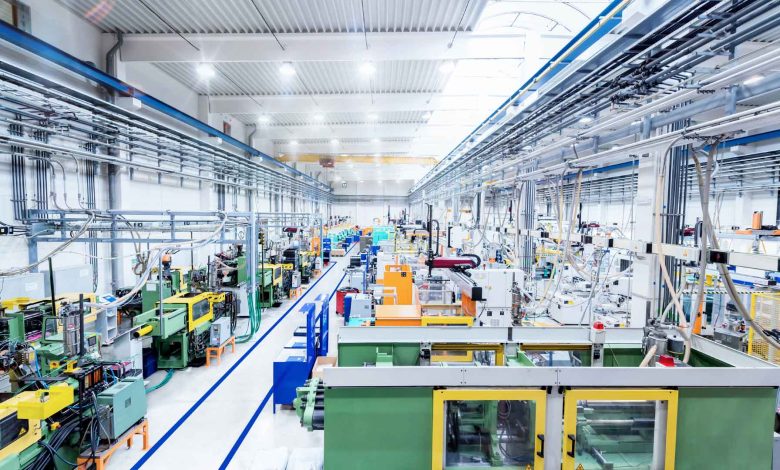
Industrial equipment includes heavy machinery, production tools, and automated systems used in manufacturing and processing plants. These assets are essential for high-volume production and quality assurance.
Key examples and functions:
- Conveyor Systems: Facilitate the movement of materials across production lines efficiently.
- CNC Machines: Computer-controlled machinery used for precise shaping and cutting of materials.
- Industrial Robots: Automated systems that perform repetitive tasks, such as welding or assembly.
- Hydraulic Presses: Generate significant force for molding, forming, or pressing materials.
Industrial equipment often integrates with software systems to track performance, monitor energy consumption, and schedule preventive maintenance, enhancing operational reliability.
Construction Equipment
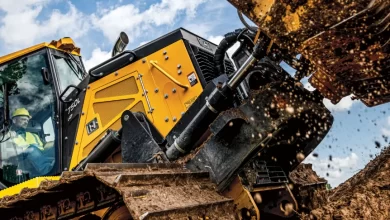
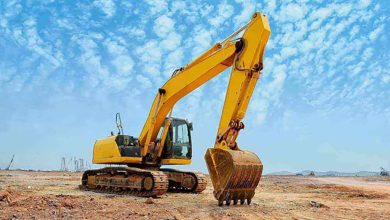
Construction equipment encompasses tools and machinery used to build, repair, or modify infrastructure. The industry relies heavily on robust and versatile machinery for efficiency.
Core construction equipment includes:
- Excavators and Backhoes: Essential for digging, trenching, and site preparation.
- Cranes and Hoists: Enable lifting and positioning of heavy materials safely.
- Concrete Mixers and Pumps: Improve the speed and consistency of concrete application.
- Compactors and Rollers: Ensure that surfaces are leveled and materials are stabilized.
Construction equipment often comes with specialized safety features, including alarms, emergency shutoffs, and reinforced frames to protect operators and surrounding personnel.
Medical Equipment
Medical equipment is critical for patient care, diagnosis, treatment, and monitoring. Technological advancements have made modern medical equipment sophisticated, precise, and indispensable in healthcare.
Categories and examples:
- Diagnostic Equipment: MRI scanners, X-ray machines, and ultrasound devices allow accurate medical assessment.
- Therapeutic Devices: Ventilators, infusion pumps, and dialysis machines support treatment and recovery.
- Surgical Instruments: Tools used in minimally invasive and complex surgical procedures, including robotic-assisted systems.
- Monitoring Devices: Heart monitors, oxygen sensors, and blood pressure monitors ensure continuous patient observation.
Proper calibration, maintenance, and compliance with regulatory standards are vital to ensure that medical equipment functions correctly and safely.
Office and IT Equipment
Office equipment and IT devices are essential for smooth business operations, data management, and communication. Modern enterprises rely heavily on digital tools to maintain workflow efficiency.
Typical office and IT equipment:
- Computers and Servers: Handle data processing, storage, and cloud operations.
- Networking Equipment: Routers, switches, and firewalls enable secure connectivity.
- Printers and Scanners: Facilitate documentation and information sharing.
- Video Conferencing Systems: Support remote collaboration and organizational communication.
Effective use of office and IT equipment improves productivity, ensures data security, and supports the digital infrastructure of a company.
Personal and Recreational Equipment
Personal and recreational equipment includes devices and tools used for sports, hobbies, or personal projects. While often smaller in scale, their quality impacts safety, performance, and enjoyment.
Examples include:
- Sports gear such as helmets, pads, and training apparatus.
- Recreational tools like drones, cameras, and home DIY kits.
- Safety devices including personal protective equipment, fire extinguishers, and first aid kits.
Even for recreational use, investing in durable and reliable equipment ensures both safety and long-term usability.
Factors to Consider When Selecting Equipment
Choosing the right equipment requires careful consideration. Selection goes beyond initial cost and encompasses functionality, safety, and operational efficiency.
Purpose and Functionality
Define the tasks the equipment is meant to perform. For instance, in manufacturing, machinery should be evaluated for load capacity, operational speed, and compatibility with existing systems.
Durability and Maintenance
Assessing the quality of materials, design, and expected lifespan ensures that equipment can withstand operational stress. Regular maintenance schedules, availability of spare parts, and service support are critical for longevity.
Safety and Compliance
Equipment must meet safety regulations relevant to its industry. This includes emergency stop functions, protective shields, and operator training requirements. Non-compliance can result in accidents, legal liability, and operational downtime.
Cost and Return on Investment
While upfront cost is important, consider long-term operational savings and efficiency. High-quality equipment may have a higher purchase price but can provide better ROI through reduced downtime and lower maintenance costs.
Technological Integration
Modern equipment often integrates digital technologies such as IoT sensors, AI-driven analytics, or automated controls. These features enhance performance, predict maintenance needs, and improve operational insight.
Maintenance Strategies for Equipment
Proper maintenance maximizes equipment efficiency, lifespan, and safety. Effective strategies include:
- Preventive Maintenance: Scheduled inspections and service to avoid breakdowns.
- Predictive Maintenance: Using data and sensor analysis to anticipate potential failures.
- Corrective Maintenance: Addressing issues after they arise to restore functionality.
- Documentation: Logging maintenance, repairs, and inspections to track performance trends.
Implementing a comprehensive maintenance plan reduces unplanned downtime and ensures that equipment operates at optimal performance.
The Role of Equipment in Operational Efficiency
Equipment is central to achieving efficiency across industries. Well-chosen and maintained equipment allows organizations to:
- Increase production output and speed.
- Reduce human error and ensure consistent quality.
- Lower operational costs through automation and efficiency.
- Enhance safety for workers performing hazardous tasks.
Businesses that invest strategically in equipment can scale operations, improve competitiveness, and innovate processes.
Emerging Trends in Equipment Technology
Equipment technology is rapidly evolving, reshaping operational standards and possibilities. Key trends include:
- Automation and Robotics: Reducing manual labor and increasing precision.
- Smart Equipment: Devices that collect and analyze operational data in real-time.
- Energy Efficiency: Machines designed to reduce power consumption and environmental impact.
- Modular Systems: Equipment that can be easily adapted for multiple functions.
- Data-Driven Operations: Using equipment-generated data for predictive analytics and optimization.
Adopting these innovations allows businesses to maintain a competitive edge while improving sustainability and productivity.
Challenges in Equipment Management
Despite its importance, equipment management presents several challenges:
- High acquisition and maintenance costs.
- Rapid technological obsolescence.
- Operational downtime due to malfunctions or repairs.
- Training requirements for operators.
- Compliance with evolving safety and environmental standards.
Addressing these challenges requires a proactive strategy that includes planning, technological updates, and workforce training.
Equipment Selection Checklist
A structured approach ensures informed decisions when selecting equipment:
- Define operational needs and objectives.
- Assess equipment durability and quality.
- Evaluate maintenance and technical support requirements.
- Verify safety and regulatory compliance.
- Consider cost relative to expected ROI.
- Check for technological features and integration potential.
- Assess operator training needs.
- Examine energy efficiency and sustainability factors.
Following this checklist reduces risk and ensures that the selected equipment aligns with operational goals.
Frequently Asked Questions About Equipment
What distinguishes equipment from tools?
Equipment generally refers to larger machinery or systems used for complex tasks, while tools are often handheld devices for simpler operations.
How often should equipment undergo maintenance?
Frequency depends on equipment type, usage intensity, and manufacturer recommendations. Preventive maintenance is typically scheduled monthly, quarterly, or annually.
Is it better to rent or purchase equipment?
Renting is cost-effective for short-term projects, while purchasing is ideal for consistent long-term operations to maximize ROI.
What are early signs that equipment needs replacement?
Frequent breakdowns, declining efficiency, outdated technology, and rising maintenance costs indicate replacement may be more economical.
Can equipment be insured?
Yes, most industrial, medical, and construction equipment can be insured to protect against damage, theft, or operational downtime.
How does technology enhance equipment performance?
Integration of AI, IoT sensors, and automation improves precision, efficiency, predictive maintenance, and operational insight.
How do you ensure safety when operating equipment?
Safety requires operator training, use of protective gear, adherence to safety protocols, and regular equipment inspections.
Equipment is not merely a tool but a strategic asset critical to operational success, innovation, and safety. Proper selection, maintenance, and technological integration ensure optimal performance, longevity, and measurable returns on investment. Organizations that prioritize equipment management position themselves for higher efficiency, competitive advantage, and sustainable growth.