The automotive industry has always been at the forefront of technological innovation. From the invention of the first gasoline-powered cars to today’s electric and autonomous vehicles, this sector continually shapes how humans move, interact, and experience mobility. Understanding automotive trends, technological breakthroughs, and industry dynamics is crucial for anyone invested in this ever-evolving field.
The Historical Transformation of Automotive Engineering
Automotive engineering has undergone a remarkable transformation over the last century. Initially, vehicles were handcrafted and powered by simple internal combustion engines. Companies focused on basic mechanics, durability, and fuel efficiency. With mass production techniques introduced by pioneers like Henry Ford, vehicles became accessible to the average consumer, creating the modern automotive market.
Key Milestones in Automotive History
- 1886: The Benz Patent-Motorwagen – Widely regarded as the first practical automobile powered by an internal combustion engine.
- 1913: Assembly Line Production – Revolutionized automotive manufacturing, reducing production time and costs dramatically.
- 1930s–1950s: Automotive Luxury and Safety – The industry began integrating comfort features and safety measures like seat belts and shock absorbers.
- 1970s: Fuel Efficiency and Emissions Awareness – Oil crises and environmental awareness led to stricter regulations and the development of fuel-efficient technologies.
- 1990s: Electronics Integration – Vehicles began using onboard computers for engine management, diagnostics, and navigation systems.
These milestones not only highlight technological progress but also indicate how consumer demands, regulations, and environmental awareness have shaped automotive design and engineering.
Modern Automotive Technologies
Today’s automotive landscape is defined by innovation and sustainability. The industry has shifted from focusing solely on performance to integrating smart technologies, environmental responsibility, and enhanced user experiences.
Electric Vehicles (EVs) and Hybrid Technologies
Electric vehicles have transformed the industry by offering zero-emission mobility. Lithium-ion batteries, fast-charging infrastructure, and regenerative braking systems have made EVs increasingly practical. Hybrid vehicles, combining traditional internal combustion engines with electric propulsion, provide an intermediate solution for consumers transitioning to fully electric options.
Key Features of Modern EVs:
- Advanced battery management systems that optimize charge cycles and longevity.
- Over-the-air software updates to improve efficiency and performance without physical interventions.
- Regenerative braking that converts kinetic energy into electrical energy, increasing driving range.
Autonomous and Connected Vehicles
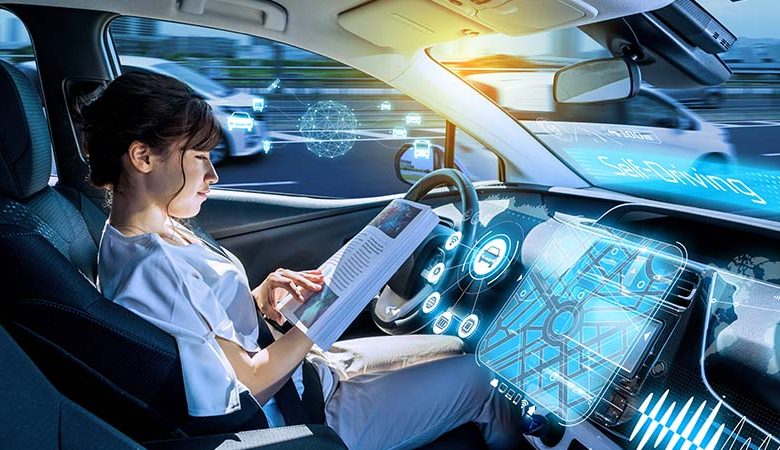
Autonomous vehicles represent a significant leap in automotive innovation. Self-driving technology relies on a combination of artificial intelligence, LiDAR sensors, radar systems, and real-time data processing to navigate complex environments.
Benefits of Autonomous Vehicles:
- Reduced human error, potentially lowering accident rates.
- Increased traffic efficiency through coordinated vehicle communication.
- Opportunities for mobility solutions for elderly and differently-abled individuals.
Connected vehicles extend the concept further by integrating vehicles into the Internet of Things (IoT). Features include vehicle-to-vehicle communication, predictive maintenance alerts, and personalized user interfaces.
Advanced Safety Systems
Safety has always been a primary concern in automotive design, and modern vehicles employ multiple layers of protection beyond traditional seat belts and airbags.
Examples of Advanced Safety Features:
- Adaptive Cruise Control: Maintains safe distances by automatically adjusting speed.
- Lane-Keeping Assistance: Detects unintended lane departures and provides corrective steering inputs.
- Automatic Emergency Braking: Detects imminent collisions and engages braking systems to prevent accidents.
- Blind Spot Monitoring: Alerts drivers to vehicles in adjacent lanes to prevent collisions during lane changes.
These systems not only protect occupants but also contribute to broader road safety and traffic management initiatives.
The Role of Automotive Materials and Design
Materials science plays a pivotal role in automotive efficiency, performance, and sustainability. Lightweight yet strong materials like aluminum, carbon fiber, and advanced composites reduce vehicle weight, improving fuel efficiency and handling. Aerodynamic design also enhances efficiency by reducing drag, while manufacturers integrate aesthetic appeal to attract consumers.
Key Design Considerations:
- Weight reduction for fuel efficiency and EV range extension.
- Crashworthiness to meet strict safety standards.
- Thermal management, especially in electric vehicles, to prevent battery overheating.
- Interior ergonomics and user experience enhancements for comfort and accessibility.
Environmental and Regulatory Impacts
The automotive industry faces increasing scrutiny regarding environmental impacts. Governments worldwide enforce emissions standards, fuel economy regulations, and incentives for adopting cleaner technologies.
Important Regulatory Considerations:
- Emission Standards: Limits on CO2, NOx, and particulate matter emissions.
- Fuel Economy Standards: Mandates for miles per gallon (MPG) targets for new vehicles.
- Incentives for EV Adoption: Tax rebates, subsidies, and infrastructure support to encourage sustainable mobility.
These regulations influence vehicle design, materials selection, and market strategy, pushing the industry toward cleaner, greener technologies.
Automotive Manufacturing and Supply Chain Innovations
Manufacturing processes have evolved beyond assembly lines to incorporate robotics, artificial intelligence, and predictive analytics. Smart factories monitor equipment performance, optimize production schedules, and minimize waste.
Notable Innovations in Manufacturing:
- Additive Manufacturing (3D Printing): Rapid prototyping and production of custom components.
- Robotics Integration: Precision assembly and quality control.
- Predictive Analytics: Anticipates maintenance needs and supply shortages, improving efficiency.
The global automotive supply chain has also adapted, emphasizing just-in-time inventory, supplier collaboration, and resilience against disruptions such as material shortages or geopolitical events.
Consumer Experience and Digital Integration
Modern automotive experiences extend beyond transportation, focusing on digital connectivity and personalization. Infotainment systems, voice-activated controls, and smartphone integration enhance usability, while telematics solutions track vehicle performance and driver behavior.
Emerging Trends in Consumer Experience:
- Subscription-based features for entertainment, navigation, and premium functionalities.
- Personalized driving modes adjusting suspension, steering, and engine response.
- Enhanced mobility solutions, including ride-sharing and fleet management apps.
By bridging technology and user experience, automotive brands aim to create long-term loyalty and engagement beyond traditional vehicle ownership.
Challenges and Opportunities in the Automotive Sector
While technological progress is evident, the industry faces several challenges. Battery production for EVs, high development costs for autonomous systems, and supply chain volatility remain critical concerns. However, these challenges also create opportunities for innovation and market expansion.
Major Challenges:
- Raw material scarcity, especially for lithium, cobalt, and rare earth elements.
- High R&D investments required for autonomous and electric vehicle technology.
- Regulatory hurdles in global markets with differing safety and emission standards.
Emerging Opportunities:
- Expansion of EV charging infrastructure.
- Development of alternative fuels like hydrogen fuel cells.
- Growth in aftermarket services, including connected vehicle software and maintenance subscriptions.
These dynamics make the automotive industry an exciting space for engineers, technologists, and entrepreneurs looking to shape the future of mobility.
Future Trends Shaping Automotive Mobility
Several trends are poised to define the next decade of automotive development.
Electrification and Green Mobility
The global shift toward sustainability will accelerate EV adoption and the development of renewable energy-powered vehicles. Hydrogen fuel cells may complement batteries, especially for long-haul transportation and heavy-duty vehicles.
Autonomous Urban Mobility
Autonomous vehicles integrated with smart city infrastructure could redefine public transportation, reduce congestion, and optimize logistics.
Artificial Intelligence and Predictive Analytics
AI will enhance predictive maintenance, route optimization, and driver assistance systems, making vehicles smarter and safer.
Shared and Subscription-Based Mobility
Consumers may increasingly adopt flexible ownership models, reducing the need for private vehicle ownership and promoting shared mobility solutions.
FAQs About Automotive Technology
1. How does regenerative braking work in electric vehicles?
Regenerative braking captures kinetic energy during deceleration and converts it into electrical energy stored in the battery. This process extends driving range and improves energy efficiency.
2. Are autonomous vehicles safe for city driving?
Autonomous vehicles are equipped with multiple sensors and AI algorithms to navigate urban environments. While safety is generally improved, human supervision and regulatory approvals are still necessary in complex traffic scenarios.
3. What is the expected lifespan of EV batteries?
Modern lithium-ion EV batteries typically last between 8 to 12 years, depending on usage, charging habits, and temperature conditions. Advanced battery management systems further extend longevity.
4. How do lightweight materials improve vehicle performance?
Reducing vehicle weight enhances fuel efficiency, acceleration, braking, and handling. Lightweight materials like aluminum and carbon fiber achieve this without compromising structural strength.
5. Will hydrogen fuel cells replace EV batteries?
Hydrogen fuel cells are complementary rather than a replacement. They offer advantages in long-range and heavy-duty applications but require significant infrastructure investment.
6. How does AI improve automotive safety?
AI enables real-time processing of sensor data, predicting potential hazards, controlling autonomous systems, and assisting human drivers to reduce accident risks.
7. What role does telematics play in modern vehicles?
Telematics provides real-time data on vehicle health, driver behavior, navigation, and connectivity features, enhancing both safety and convenience.
The automotive industry is evolving rapidly, integrating advanced technologies, sustainable solutions, and user-focused innovations. Understanding these trends is essential for stakeholders aiming to navigate and succeed in this dynamic sector.