The automotive industry has always been a cornerstone of global technological and economic development. Over the past century, vehicles have transitioned from basic mechanical transportation tools to highly sophisticated machines incorporating advanced engineering, artificial intelligence, and sustainable technologies. Understanding the multifaceted changes in this sector is crucial for professionals, enthusiasts, and consumers who seek insights into how automotive innovation shapes mobility, environmental impact, and urban infrastructure.
Historical Progression of Automotive Technology
The automotive industry traces its roots to the late 19th century, when inventors began experimenting with self-propelled vehicles powered by steam, electricity, and internal combustion engines. Over time, key innovations laid the groundwork for modern automotive design and performance.
Landmark Innovations
- 1886: Benz Patent-Motorwagen – The first practical internal combustion-powered automobile, introducing the concept of personal mobility.
- 1913: Ford Assembly Line – Revolutionized vehicle production, making automobiles affordable to the general public and setting the stage for mass manufacturing.
- 1930s–1950s: Safety Enhancements – Introduction of seat belts, hydraulic brakes, and improved suspension systems improved driver and passenger safety.
- 1970s: Environmental Regulation – Emission controls and fuel efficiency standards prompted the development of cleaner engines.
- 1990s: Digital Integration – Vehicles began incorporating computerized engine management, navigation systems, and diagnostic technology.
These milestones demonstrate how automotive innovation has consistently merged engineering advancements with societal needs for efficiency, safety, and sustainability.
Modern Automotive Technologies
The modern automotive industry focuses on efficiency, safety, sustainability, and connectivity. Innovations today are not limited to engine performance; they encompass the entire vehicle ecosystem, including software, energy management, and human-machine interaction.
Electric Vehicles and Hybrid Systems
The rise of electric vehicles (EVs) has redefined how vehicles are powered. EVs operate using electric motors powered by high-capacity batteries, significantly reducing greenhouse gas emissions and reliance on fossil fuels.
Advantages of Electric Vehicles:
- Zero tailpipe emissions, supporting global sustainability goals.
- Lower maintenance costs due to fewer mechanical components.
- Regenerative braking systems that convert kinetic energy into stored electricity, extending driving range.
- Reduced noise pollution compared to internal combustion vehicles.
Hybrid vehicles, which combine internal combustion engines with electric propulsion, provide a transitional solution for consumers seeking efficiency without range limitations. Hybrids optimize fuel consumption while maintaining performance over long distances.
Autonomous Vehicles and Driver Assistance Systems
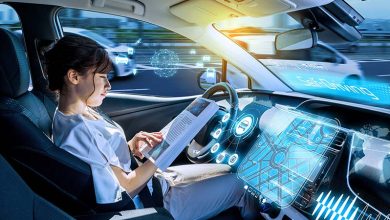
Autonomous vehicles (AVs) use a combination of artificial intelligence, cameras, LiDAR, radar, and real-time data processing to navigate without human intervention. While fully autonomous vehicles are still under regulatory and technological development, advanced driver assistance systems (ADAS) are widely adopted today.
Key Features of ADAS:
- Lane departure warning and lane-keeping assistance.
- Adaptive cruise control and collision avoidance systems.
- Blind-spot detection and automatic emergency braking.
- Traffic sign recognition and parking assistance.
These technologies enhance safety, reduce accident rates, and pave the way for fully autonomous mobility in the future.
Connectivity and Smart Vehicle Systems
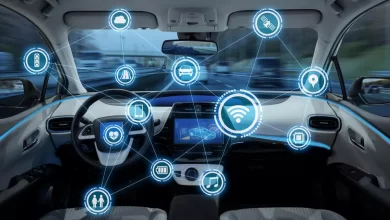
Connected vehicles integrate with the Internet of Things (IoT), enabling real-time communication between vehicles, infrastructure, and the cloud. These systems enhance the driving experience, improve traffic flow, and enable predictive maintenance.
Connected Vehicle Capabilities:
- Over-the-air software updates for enhanced performance.
- Vehicle-to-vehicle (V2V) and vehicle-to-infrastructure (V2I) communication to reduce congestion.
- Personalized driver profiles, including seat position, climate control, and infotainment preferences.
- Real-time diagnostics and maintenance alerts.
By connecting vehicles to a broader digital ecosystem, manufacturers are reshaping mobility into an intelligent, integrated system.
Materials and Engineering Advancements
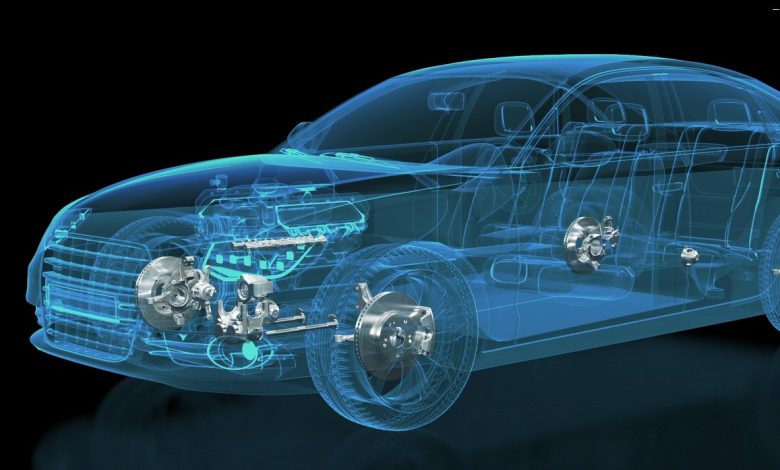
Vehicle performance, safety, and efficiency depend heavily on materials and engineering. Lightweight, durable materials, combined with aerodynamic designs, contribute to improved fuel efficiency and driving dynamics.
Innovative Materials in Automotive Manufacturing:
- Aluminum and Magnesium Alloys: Reduce vehicle weight while maintaining strength.
- Carbon Fiber Composites: Provide high strength-to-weight ratios, commonly used in performance and luxury vehicles.
- Advanced Polymers and Plastics: Improve impact resistance, reduce noise, and decrease overall vehicle weight.
Engineering and Design Considerations:
- Aerodynamics to minimize drag and enhance efficiency.
- Crash-resistant frame structures to improve occupant safety.
- Thermal management systems, particularly for electric and hybrid vehicles, to optimize battery and engine performance.
- Interior ergonomics for comfort, accessibility, and usability.
Environmental and Regulatory Influences
Environmental sustainability plays a central role in shaping automotive innovation. Governments worldwide enforce emission standards, fuel efficiency requirements, and incentives for low-emission vehicles.
Key Regulatory Measures:
- Stringent emission standards for CO2, NOx, and particulate matter.
- Corporate Average Fuel Economy (CAFE) regulations to improve fleet-wide fuel efficiency.
- Tax incentives, rebates, and grants for EV adoption.
These policies encourage manufacturers to invest in clean technologies, renewable energy integration, and sustainable production practices.
Automotive Manufacturing Innovations
Modern automotive manufacturing integrates robotics, artificial intelligence, and predictive analytics to increase efficiency, reduce waste, and ensure quality.
Technological Innovations in Manufacturing:
- Additive Manufacturing (3D Printing): Rapidly produces complex components and prototypes.
- Robotic Automation: Enhances precision in assembly, painting, and welding processes.
- Predictive Analytics: Monitors equipment and forecasts maintenance needs to avoid downtime.
- Smart Factories: Use IoT and AI to optimize production lines, reduce energy consumption, and improve safety standards.
These advancements reduce production costs, improve vehicle reliability, and enable customization for niche markets.
Consumer Experience and Digital Transformation
The modern automotive experience extends beyond transportation. Vehicles now integrate digital systems for convenience, entertainment, and personalized services.
Emerging Trends in Automotive Consumer Experience:
- Subscription-based services for navigation, entertainment, and software features.
- Personalized driving modes adjusting steering, suspension, and performance parameters.
- Integration with mobility-as-a-service platforms, fleet management systems, and ride-sharing applications.
- Enhanced infotainment systems offering voice-activated controls, augmented reality displays, and seamless smartphone integration.
By combining technology and user experience, automotive manufacturers are creating vehicles that adapt to individual needs, enhancing both safety and convenience.
Challenges and Opportunities
Despite rapid innovation, the automotive industry faces significant challenges and opportunities.
Challenges:
- Supply chain constraints for critical materials like lithium, cobalt, and nickel.
- High research and development costs for electric, autonomous, and connected vehicle technologies.
- Navigating complex regulations across multiple global markets.
- Cybersecurity risks in connected and autonomous vehicles.
Opportunities:
- Expansion of EV charging infrastructure and renewable energy integration.
- Development of alternative fuels, including hydrogen fuel cells, for long-range and heavy-duty vehicles.
- Growth in subscription-based services, telematics, and predictive maintenance offerings.
- Integration of AI-driven logistics, fleet optimization, and urban mobility solutions.
These factors highlight how the automotive sector remains both competitive and highly innovative, offering significant opportunities for investment and research.
Emerging Trends in Automotive Mobility
Several trends are poised to shape the future of automotive technology and mobility:
Electrification and Sustainable Energy Solutions
The shift toward electrification continues to accelerate, supported by government policies and consumer demand for sustainable vehicles. Battery technologies are evolving, with solid-state batteries offering higher energy density and faster charging times.
Autonomous Driving and Smart Urban Mobility
Autonomous vehicles are being tested in urban environments to improve traffic management, optimize logistics, and provide new mobility options for non-drivers.
Artificial Intelligence and Predictive Systems
AI applications are expanding beyond autonomous driving to include predictive maintenance, route optimization, and enhanced safety features that learn from real-time data.
Shared Mobility and Subscription Models
Vehicle sharing, subscription-based access, and on-demand transportation services are changing ownership models, offering flexibility and reducing urban congestion.
FAQs About Automotive Technology
1. How do regenerative braking systems improve efficiency in EVs?
Regenerative braking converts kinetic energy into electrical energy during deceleration, which recharges the battery and extends driving range.
2. Are autonomous vehicles safer than human-driven cars?
Autonomous vehicles use AI and sensors to reduce human error, potentially lowering accident rates. However, human supervision may still be required in complex environments.
3. How long do electric vehicle batteries typically last?
EV batteries generally last 8–12 years, depending on usage, charging habits, and environmental conditions. Advanced battery management systems further optimize longevity.
4. Why is vehicle weight reduction important?
Reducing vehicle weight improves fuel efficiency, acceleration, handling, and overall vehicle performance without compromising safety.
5. Can hydrogen fuel cells replace EV batteries completely?
Hydrogen fuel cells are complementary, not a full replacement. They are particularly suited for heavy-duty or long-range applications where battery limitations exist.
6. How does AI enhance automotive safety?
AI processes real-time sensor data to predict hazards, assist drivers, and optimize vehicle controls, reducing the likelihood of accidents.
7. What role does telematics play in modern vehicles?
Telematics enables vehicle tracking, diagnostics, driver behavior analysis, and connectivity services, enhancing safety, efficiency, and user experience. The automotive industry continues to evolve, integrating cutting-edge technologies, sustainable energy
solutions, and AI-driven innovations to create safer, more efficient, and highly connected mobility options. Understanding these developments is essential for professionals, enthusiasts, and consumers navigating the rapidly transforming automotive landscape.