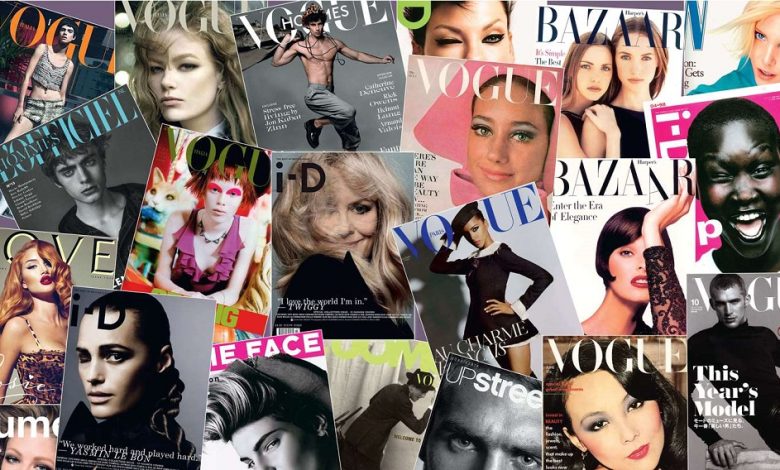
In an era dominated by programmatic digital advertising, algorithmic feeds, and fleeting social media impressions, a quiet counter-revolution is taking place. While mainstream newspapers and mass-market magazines have spent the last two decades struggling against declining circulations and shrinking ad budgets, a different story is unfolding at the premium end of the media spectrum. Luxury brands and niche publishers are intentionally turning their backs on the digital-first frenzy, sparking a significant renaissance in print advertising.
This revival is not driven by mere nostalgia. Instead, it is a calculated, strategic response to the diminishing returns of digital channels. As consumers experience digital fatigue and brands grow wary of brand safety issues online, the physical page has transformed from an outdated medium into the ultimate luxury experience. For high-end horology, haute couture, artisanal design, and hyper-specific subcultures, print is no longer just surviving; it is thriving as a premier vehicle for brand equity.
The Digital Fatigue and the Premium of Tangibility
The modern consumer is bombarded by thousands of digital marketing messages every day. Between pop-up ads, sponsored posts, auto-playing videos, and cookie-consent banners, the online advertising ecosystem has become cluttered and intrusive. This sensory overload has led to ad blindness, where users subconsciously filter out digital promotions, or actively block them using software.
Print media offers the exact opposite experience: a sensory sanctuary. When a reader picks up a high-quality niche magazine, they are engaging in a deliberate, mono-tasking activity. There are no hyperlinks to distract them, no push notifications to interrupt their thoughts, and no tabs waiting to be clicked.
For luxury brands, this undivided attention is priceless. The physical attributes of premium print publications—heavy paper stock, specialized matte or glossy coatings, the distinct scent of high-grade ink, and oversized formats—communicate worth before a single word is read. In the luxury sector, weight translates to value. A thick, beautifully bound publication feels like a collectible artifact rather than a disposable piece of media. This tangibility creates an emotional resonance and a sense of permanence that a glowing smartphone screen simply cannot replicate.
Brand Safety and the Algorithmic Pitfalls of Digital Media
For luxury houses like Chanel, Rolex, or Hermès, environment is everything. These brands spend decades cultivating an image of exclusivity, craftsmanship, and prestige. In the digital advertising space, however, programmatic ad buying strips away a brand’s control over its surroundings. A luxury ad might appear next to a controversial news story, a polarizing political video, or low-quality clickbait. This lack of contextual control poses a significant risk to brand reputation.
Furthermore, the digital ad industry is plagued by transparency issues, including click fraud, bot traffic, and inflated metrics. Brands pay premium rates for impressions that may never be seen by an actual human being.
Print advertising in niche and luxury publishing solves these issues completely.
-
Contextual Guarantee: An advertiser knows exactly which article, photographer, and adjacent brands their product will be associated with.
-
Curated Environment: The ad sits within a curated ecosystem of high aesthetic standards, ensuring that the surrounding editorial content elevates the advertisement rather than cheapening it.
-
Verified Audience: Print circulations for niche titles are precise and verified. Advertisers are not paying for millions of random accidental clicks; they are paying for dedicated access to a highly targeted, affluent, and engaged audience.
The Economics of Niche Publishing: Quality Over Quantity
The traditional mass-market publishing model relied on massive circulation numbers to justify ad rates. When digital media emerged, these giants could not compete with the scale and low cost of Facebook and Google. Niche and luxury publishers, however, operate on an entirely different economic philosophy. They favor depth over breadth.
Publications like Cereal, Kinfolk, The Gentlewoman, or Drift do not chase millions of casual readers. Instead, they cultivate loyal communities of thousands who are willing to pay premium cover prices, often ranging from fifteen to thirty dollars per issue. This high cover price shifts the revenue reliance away from sheer volume and aligns the publisher’s interests with the reader’s desire for exceptional content.
Because these audiences are highly defined—consisting of interior designers, watch collectors, travel enthusiasts, or fashion connoisseurs—advertisers experience almost zero waste in their marketing spend. Every person turning the page is a viable potential customer who has already demonstrated a willingness to invest money in their passions.
The Art of the Print Ad as Editorial Content
In mainstream digital media, advertisements are often viewed as an annoyance, an obstacle that the user must click past or wait out to reach the desired content. In luxury and niche print publishing, the advertisements are frequently viewed as an extension of the editorial content itself.
Luxury brands do not just drop standard product shots onto a page. They commission world-renowned photographers, stylists, and artists to create visually stunning narratives specifically designed for the print layout. A multi-page spread for a fashion house in a biannual style journal functions as an art gallery exhibition.
Readers of these publications do not tear past the advertisements; they study them. The boundaries between commercial art and editorial art blur, making the advertising presence welcome, expected, and even celebrated by the target audience. This seamless integration ensures that the marketing message is absorbed in a positive, aspirational state of mind.
Longevity and the Coffee Table Ecosystem
One of the greatest shortcomings of digital advertising is its ephemeral nature. A social media post is relevant for a few hours before it is buried by the algorithm. A banner ad disappears the moment the user refreshes the browser.
Premium niche publications possess an extraordinary lifespan. Because they are constructed with high-end materials and feature timeless editorial content rather than breaking news, they are rarely thrown into the recycling bin. Instead, they occupy long-term real estate on living room coffee tables, office waiting rooms, boutique hotel lobbies, and personal bookshelves.
This permanence grants print advertisements an extended shelf life. A single investment in a print ad page can continue to garner impressions months, or even years, after the initial publication date. Furthermore, these magazines are frequently shared among friends or passed along to fellow enthusiasts, creating a secondary, organic circulation network that digital metrics cannot easily quantify.
The Strategic Hybrid: How Print and Digital Coexist
The revival of print does not imply that luxury and niche publishers are ignoring the digital world entirely. Rather, they are redefining how the two mediums interact. Instead of using digital platforms to duplicate their print content, sophisticated brands use print as the anchor of their brand identity and digital as a tool for community management and immediate commerce.
For example, a luxury watchmaker may use a beautifully textured double-page spread in a niche horology magazine to establish emotional desire and showcase the intricate craftsmanship of a new timepiece. Simultaneously, they might utilize a quick response code or a dedicated, understated URL within the ad to direct interested buyers to an immersive digital experience where they can customize the watch or locate the nearest boutique.
In this hybrid framework, print acts as the top-of-funnel tool for brand building, storytelling, and prestige, while digital handles the lower-funnel mechanics of transaction and customer service. This sophisticated division of labor maximizes the strengths of both mediums without compromising the luxury experience.
Frequently Asked Questions
Why are luxury brands moving back to print when digital targeting is so precise?
Digital targeting relies heavily on tracking data, cookies, and user behaviors, which can often be imprecise or compromised by privacy regulations. Furthermore, digital precision targeting does not equal prestige. Luxury brands require an aura of exclusivity and high-quality presentation that programmatic digital ads cannot deliver. Print provides a guaranteed, high-end environment that reinforces a brand’s premium status.
Do young consumers actually buy and read niche print magazines?
Yes, millennial and Gen Z consumers are driving much of the demand for niche print publications. Having grown up in a fully digitized world, younger generations view print not as an antiquated technology, but as a novel, premium lifestyle product. They value the tactile experience, the aesthetic appeal of physical collections, and the opportunity for digital detoxification that premium magazines offer.
How do niche publishers justify high ad rates with lower circulation numbers?
Niche publishers justify premium ad rates through audience quality and engagement metrics rather than raw volume. A niche magazine reaching fifty thousand highly affluent, dedicated collectors provides far more value to a luxury advertiser than a mass digital platform reaching five million casual viewers who have no purchasing intent or financial capability to buy the product.
What industries are benefiting the most from the print advertising revival?
The resurgence is strongest in sectors where aesthetics, craftsmanship, and lifestyle definitions are paramount. This includes high-end fashion, luxury watchmaking, jewelry, fine art, architecture, interior design, premium automotive, artisanal culinary arts, and high-end travel hospitality.
How has the design of print advertisements changed in this revival era?
Modern print ads in niche publications are far more minimalist and artistic than they were in the past. They feature less copy, fewer aggressive promotional calls to action, and focus heavily on high-concept photography and generous whitespace. The goal is to evoke an emotional response and project an image of effortless confidence rather than shouting for a sale.
Are environmental sustainability concerns impacting the print publishing revival?
Premium niche publishers are actively addressing sustainability by shifting toward eco-friendly production methods. This includes using certified sustainably managed forest papers, recycled fiber elements, and non-toxic vegetable-based inks. Because these publications are printed in limited runs and designed to be kept as collectibles rather than discarded, their environmental footprint differs significantly from high-waste mass-production newspapers and flyers.