Owning a vehicle offers a profound sense of freedom and convenience. Whether it is commuting to work, running weekend errands, or embarking on a cross-country road trip, automobiles are central to daily life. However, that convenience comes with a financial responsibility that extends far beyond the initial purchase price and monthly insurance premiums. The true cost of vehicle ownership is heavily influenced by how well the machine is maintained over its lifespan.
Many drivers view routine vehicle maintenance as an inconvenient chore or an unnecessary immediate expense. It is easy to postpone an oil change, ignore a minor squeak, or delay a tire rotation when the vehicle appears to be running smoothly. This short-term mindset, however, often leads to catastrophic long-term financial consequences. Automobiles are highly complex machines comprised of thousands of moving parts working in harmony under extreme heat and pressure. When one minor component fails due to neglect, it creates a domino effect that can quickly destroy major mechanical systems.
Understanding the direct correlation between preventive care and cost avoidance is the first step toward protecting both your vehicle and your bank account. By investing a small amount of time and money into routine upkeep, you actively shield yourself from the thousands of dollars required to fix major mechanical breakdowns.
The Cost Anatomy of Neglect Versus Prevention
To fully appreciate the value of preventive maintenance, one must compare the modest costs of routine servicing with the exorbitant financial burden of major component failures. The economic argument for maintenance is overwhelmingly clear.
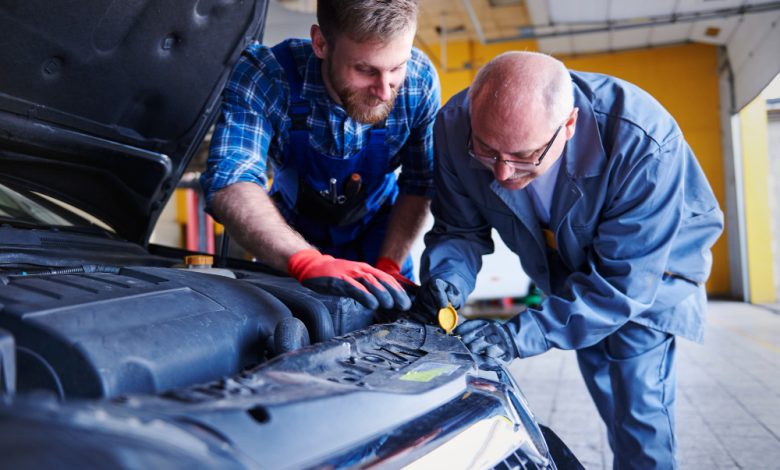
Consider the engine, the heart of your vehicle. The engine relies on clean motor oil to lubricate moving parts, reduce friction, and dissipate heat. Over time, motor oil breaks down, loses its viscosity, and becomes contaminated with dirt and debris. If the oil is not changed at recommended intervals, it turns into a thick sludge. This sludge blocks oil passages, causing metal-to-metal contact, extreme overheating, and eventual engine seizure.
An oil change is a simple, inexpensive procedure. In contrast, replacing a completely seized engine can cost several thousand dollars, a sum that frequently exceeds the total market value of an older vehicle.
A similar dynamic applies to the vehicle transmission. Transmission fluid cools and lubricates the gears that transfer power from the engine to the wheels. Failing to flush this fluid according to the manufacturer guidelines allows metal shavings and contaminants to build up, leading to slipping gears and eventual transmission failure. A routine fluid flush is an affordable preventative measure, whereas a total transmission rebuild or replacement is one of the most expensive repairs a driver can face.
Crucial Maintenance Areas That Protect Your Wallet
While every component of a vehicle plays a role in its overall health, focusing on a few critical areas yields the highest return on investment regarding repair prevention.
Fluid Management and System Flushes
Fluids are the lifeblood of your vehicle. Beyond motor oil and transmission fluid, your car relies on coolant, brake fluid, and power steering fluid to function safely and efficiently.
-
Coolant System: The cooling system prevents the engine from melting under its own operating temperatures. A mixture of water and antifreeze circulates through the engine block and radiator. Over time, coolant becomes acidic, losing its rust-inhibiting properties and corroding the internal components of the cooling system. This leads to water pump failures, radiator leaks, and blown head gaskets. Routinely flushing the coolant prevents these corrosive elements from forming.
-
Brake Fluid: Brake fluid is hygroscopic, meaning it naturally absorbs moisture from the air. Excessive moisture lowers the boiling point of the fluid, reducing braking efficiency and causing internal corrosion within the master cylinder and anti-lock braking system components. Regular testing and flushing of brake fluid ensure the system remains responsive and free from premature internal decay.
The Braking System
Brake maintenance is both a critical safety issue and a major cost-saving opportunity. Brakes operate using friction materials designed to wear away progressively.
When you press the brake pedal, the brake pads squeeze against a spinning metal disc called a rotor to stop the vehicle. Brand new brake pads feature a thick layer of friction material. As you drive, this material wears down. If you replace the pads when they reach their minimum safe thickness, the cost is relatively low.
However, if you ignore the warning signs of worn brakes, such as squealing or grinding noises, the friction material wears away completely. This results in the metal backing plates pressing directly against the metal rotors. This metal-on-metal contact scores and destroys the rotors, ruins the brake calipers, and significantly inflates the cost of the repair.
Tires and Alignment
Tires are the only point of contact between your vehicle and the road surface. Proper tire maintenance ensures optimal traction, enhances fuel efficiency, and prevents premature wear on suspension components.
Tires must be kept at the correct inflation pressure specified by the vehicle manufacturer. Under-inflated tires generate excessive heat, increase rolling resistance, and suffer from rapid wear along the outer edges. Over-inflated tires result in a harsh ride and accelerated wear down the center of the tread. Furthermore, tires must be rotated from front to back at regular intervals to ensure even tread wear across all four positions.
Neglecting tire rotations and failing to correct wheel misalignment causes uneven wear patterns. This forces you to purchase expensive replacement tires much sooner than necessary. Additionally, unaligned wheels place uneven stress on wheel bearings, ball joints, and tie rods, leading to costly steering and suspension repairs.
The Financial Benefits Beyond Preventing Breakdowns
The fiscal advantages of consistent vehicle maintenance extend far beyond simply avoiding catastrophic repair bills. Regular upkeep enhances the daily operating efficiency of the vehicle and preserves its long-term asset value.
Optimized Fuel Economy
A well-maintained vehicle operates at peak efficiency, which translates directly to savings at the fuel pump. For instance, replacing a clogged air filter allows the engine to breathe properly, maintaining the ideal air-fuel ratio. Clogged filters force the engine to work harder and consume more fuel to produce the same amount of power.
Similarly, replacing worn spark plugs ensures complete combustion within the engine cylinders, preventing fuel waste and rough idling. Keeping tires properly inflated also reduces rolling resistance, maximizing the miles per gallon your vehicle can achieve.
Preserving Resale Value
Vehicles are depreciating assets, but the rate of depreciation is heavily dependent on condition and documentation. When the time comes to sell or trade in your automobile, a comprehensive, documented service history is incredibly valuable.
Prospective buyers and dealerships are willing to pay a premium for a vehicle that has a proven record of timely oil changes, fluid flushes, and inspections. A detailed maintenance history provides peace of mind, proving that the vehicle was cared for properly and is less likely to harbor hidden, expensive mechanical issues. Conversely, a lack of service records drastically lowers the market value of a used car.
Establishing a Sustainable Maintenance Routine
Achieving consistency in vehicle care does not require master mechanical skills. It requires organization, awareness, and a proactive mindset.
The most valuable tool for vehicle preservation is sitting in your glove compartment: the owner manual. This document contains the precise maintenance schedule created by the engineers who designed the vehicle. It outlines exactly when fluids should be changed, belts should be inspected, and components should be replaced based on time and mileage intervals.
It is also beneficial to cultivate a professional relationship with a trusted, certified mechanic. Rather than jumping from shop to shop searching for the lowest coupon rate, utilizing a single, reputable repair facility allows technicians to become familiar with your specific vehicle history. A trusted mechanic can keep an eye on wearing components over time, helping you budget for future maintenance items before they turn into unexpected roadside emergencies.
Frequently Asked Questions
How can I track my vehicle maintenance schedule if I am not organized?
Many modern vehicles have built-in maintenance reminder systems on the dashboard that alert you when service is due. Additionally, numerous smartphone applications allow you to input your vehicle mileage and receive automated notifications for oil changes, tire rotations, and inspections. Keeping a simple physical logbook in your glove box alongside your service receipts is also an excellent, foolproof method.
Is it necessary to follow the severe driving maintenance schedule in the manual?
Most drivers unknowingly operate under severe driving conditions. Vehicle manufacturers define severe driving as frequent short trips under five miles, stop-and-go city traffic, driving in extreme heat or cold, or towing trailers. If your daily commute involves heavy traffic or short errands, you should follow the severe schedule, which requires more frequent fluid changes to protect components.
Can a dirty cabin air filter cause expensive mechanical damage?
While a dirty cabin air filter will not damage your engine, it can stress your vehicle heating, ventilation, and air conditioning system. A heavily clogged filter restricts airflow, forcing the blower motor to work harder to heat or cool the interior. Over time, this extra strain can cause the blower motor to burn out prematurely, resulting in an expensive dashboard repair bill.
What is the difference between a timing belt and a serpentine belt, and why does it matter?
A serpentine belt drives external accessories like the alternator, power steering pump, and air conditioning compressor. If it snaps, these accessories stop working. A timing belt, however, synchronizes the internal movement of the engine valves and pistons. If a timing belt breaks in an interference engine, the pistons will slam into the open valves, causing catastrophic internal engine destruction that requires a complete engine rebuild.
How does ignoring a illuminated check engine light lead to higher costs if the car drives fine?
A check engine light indicates that the onboard computer has detected a malfunction in the emissions or powertrain system. Even if the car feels normal, the issue could be a faulty oxygen sensor or a misfiring spark plug. Ignoring this minor issue causes unburned fuel to enter the exhaust system, which will quickly destroy the catalytic converter. Replacing a catalytic converter is far more expensive than fixing the initial sensor issue.
Do I have to get my vehicle serviced at the dealership to maintain my warranty?
No, according to federal law in the United States, you are not required to have routine maintenance performed at the dealership to keep your manufacturer warranty valid. You can have the work done at any independent repair shop, or even perform the maintenance yourself. However, you must keep clear, dated receipts and documentation proving that the required maintenance was performed according to the schedule.