The rapid growth of global urbanization has brought the challenges of city living into sharp focus. Today, more than half of the world population resides in urban areas, a figure that is projected to increase significantly over the coming decades. This dense concentration of people, businesses, and infrastructure places an immense strain on city resources, with urban transportation systems being among the most heavily impacted. Traditional internal combustion engine vehicles, which rely on burning fossil fuels, have long been the primary drivers of city transit. However, this reliance comes at a steep environmental and public health cost.
As municipal leaders and urban planners search for sustainable solutions to handle the movement of millions of people daily, electric vehicles have emerged as a cornerstone of modern green transit strategies. By shifting away from petroleum-based fuels and embracing electric drivetrains, cities have a unique opportunity to fundamentally transform their environmental profiles. Electric vehicles represent more than just a technological upgrade for individual drivers; they are a transformative mechanism for creating healthier, quieter, and more resilient urban ecosystems.
Eradicating Tailpipe Emissions and Improving Local Air Quality
The most immediate and profound benefit of integrating electric vehicles into urban transportation networks is the complete elimination of tailpipe emissions. Traditional gasoline and diesel vehicles discharge a complex mixture of harmful pollutants directly into the air at ground level, where city residents breathe. These emissions include carbon monoxide, volatile organic compounds, nitrogen oxides, and fine particulate matter known as PM2.5.
In densely populated urban corridors, buildings often trap these pollutants, creating localized zones of heavily degraded air quality, commonly referred to as urban street canyons. This concentration of toxic air is a primary contributor to a wide range of respiratory and cardiovascular illnesses, including asthma, bronchitis, and reduced lung function, particularly among vulnerable populations such as children and the elderly.
Electric vehicles utilize an entirely different propulsion method. Powered by lithium-ion battery packs that deliver electricity to an electric motor, these vehicles lack an exhaust system entirely.
-
Zero Ground-Level Pollutants: Because they do not combust fuel, electric cars, buses, and delivery vans emit zero localized pollutants during operation.
-
Mitigation of the Urban Heat Island Effect: Electric drivetrains waste far less energy as ambient heat compared to internal combustion engines, helping to lower the artificial temperature increases common in paved city environments.
-
Immediate Public Health Relief: Transitioning high-mileage urban fleets, such as taxicabs, rideshare vehicles, and public transit buses, to electric alternatives yields immediate improvements in city air quality indices, directly reducing pollution-related healthcare burdens.
Decarbonizing the Urban Transportation Grid
Beyond the immediate improvements to local air quality, the widespread adoption of electric vehicles plays a critical role in reducing greenhouse gas emissions on a global scale. Urban areas are responsible for a disproportionate share of global carbon dioxide emissions, with the transport sector serving as one of the fastest-growing contributors to climate change.
Critics of electric vehicles frequently point out that these cars are only as clean as the power grid used to charge them. While it is true that charging an electric vehicle on a grid heavily reliant on coal or natural gas generates upstream emissions, the overall environmental math still heavily favors electrification. Electric motors are vastly more efficient at converting stored energy into motion than internal combustion engines. A typical electric drivetrain converts over seventy percent of its electrical energy from the grid into power at the wheels, whereas conventional gasoline engines waste roughly seventy to eighty percent of the fuel energy as heat.
Furthermore, as utility companies aggressively phase out fossil fuels in favor of renewable energy assets like solar, wind, and hydropower, the carbon footprint of every electric vehicle on the road automatically decreases over time. A gasoline-powered car will have the same, if not worse, emission profile throughout its entire operational life. Conversely, an electric vehicle becomes inherently cleaner as the electrical grid transitions toward sustainability, enabling true deep decarbonization of urban mobility.
The Transformation of the Urban Acoustic Environment
While air pollution is a highly visible environmental concern, noise pollution is an equally destructive, though often overlooked, hazard of urban life. The constant hum, rumble, and screech of city traffic create a persistent acoustic background that impacts the well-being of millions of city residents. Chronic exposure to high levels of traffic noise has been linked by health organizations to elevated stress levels, sleep disturbances, cognitive impairment in children, and an increased risk of ischemic heart disease.
The internal combustion engine, along with its complex exhaust and cooling systems, is the root cause of most vehicular noise. Electric vehicles operate almost silently at lower city speeds. The smooth rotation of an electric motor produces negligible acoustic output compared to the controlled explosions occurring inside a traditional engine block.
In urban centers where speed limits are generally low, a transition to electric cars, delivery trucks, and municipal service vehicles can dramatically lower the decibel levels of the environment. This shift turns chaotic urban streets into calmer, more inviting public spaces, revitalizing residential neighborhoods and commercial districts alike.
Optimizing Fleet Efficiency and Regenerative Braking in Cities
Urban driving is characterized by constant stop-and-go patterns. Traffic lights, pedestrian crossings, and congested intersections force vehicles to accelerate and decelerate repeatedly. For conventional automobiles, this driving pattern is incredibly inefficient. Every time a driver presses the brake pedal in a standard car, the kinetic energy built up by the vehicle is converted into friction heat at the brake pads and wasted entirely.
Electric vehicles are uniquely engineered to thrive in these exact stop-and-go conditions due to a technology known as regenerative braking. When an electric vehicle slows down, the electric motor reverses its function, acting as a generator. This process captures the kinetic energy of the coasting vehicle and converts it back into electricity, which is then fed directly back into the onboard battery pack.
This mechanism serves a double purpose for cleaner city transit. First, it recovers energy that would otherwise be lost, maximizing the driving range per charge and minimizing the overall draw on the urban electrical grid. Second, because the electric motor handles the majority of the deceleration work, the mechanical friction brakes are used far less frequently. This drastically reduces the wear and tear on brake pads, leading to a substantial decrease in the generation of brake dust, a major source of non-tailpipe particulate matter pollution in city environments.
Charging Infrastructure as a Catalyst for Smart Cities
The rollout of urban electric vehicle charging infrastructure acts as a powerful catalyst for broader smart city development. To support a growing population of electric cars, delivery vans, and public transit vehicles, cities must deploy strategically placed charging stations. This necessity presents an opportunity to upgrade urban infrastructure with intelligent technologies.
Modern public charging stations are rarely isolated plugs; they are increasingly integrated into smart microgrids. These advanced networks can utilize local solar arrays installed on parking structures to generate clean energy right where the vehicles are parked. Furthermore, smart charging protocols allow vehicles to communicate with the electrical grid.
Through managed charging initiatives, electric vehicles can be programmed to draw power primarily during off-peak hours, such as late at night when overall city electricity demand is low and renewable wind energy generation is often high. This balancing act prevents the grid from becoming overloaded during peak afternoon hours and maximizes the utilization of clean, renewable power assets.
The Role of Electrified Public Transit and Last-Mile Delivery
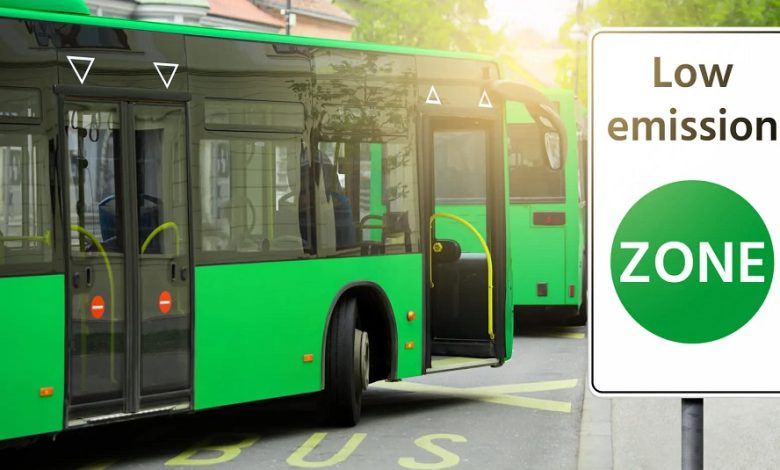
While individual passenger cars receive a significant amount of media attention, the true potential for cleaner urban transportation lies within commercial fleets and public transit systems. Municipal buses and urban delivery vehicles operate on predictable schedules, log high annual mileages, and spend hours idling in congested city centers, making them ideal candidates for electrification.
An electric transit bus replaces a heavy-duty diesel bus that would otherwise emit substantial quantities of black carbon and nitrogen oxides along its daily route, often through low-income neighborhoods that suffer disproportionately from poor air quality. Electric buses provide a clean, smooth, and quiet ride, making public transit a more appealing option for daily commuters and helping to reduce overall private vehicle reliance.
Simultaneously, the explosive growth of e-commerce has led to a surge in urban delivery vans, adding to traffic congestion and localized emissions. E-commerce and logistics companies are realizing the economic and environmental benefits of transitioning their urban delivery fleets to electric models. These vans can charge overnight at centralized fulfillment centers and operate efficiently throughout the day using regenerative braking, completely eliminating the idling emissions that occur when couriers drop off packages at residential and commercial buildings.
Frequently Asked Questions
Do electric vehicles generate any air pollution at all?
Electric vehicles produce zero tailpipe emissions, which eliminates gas-based pollutants like carbon monoxide and nitrogen oxides. However, they do generate small amounts of non-tailpipe particulate matter through tire wear and road dust suspension. Because electric vehicles are generally heavier than conventional cars due to their battery packs, tire wear can be slightly higher, though this is partially offset by the reduction in brake dust achieved through regenerative braking systems.
How do cities prevent electric vehicle chargers from overloading the local power grid?
Cities and utility companies manage grid loads through smart charging systems and time-of-use electricity pricing. By charging higher rates during peak demand hours and offering lower rates during off-peak hours, drivers are incentivized to charge their vehicles overnight. Additionally, smart chargers can dynamically throttle charging speeds when overall city power demand spikes, ensuring grid stability without disrupting vehicle readiness.
What happens to the large batteries when an electric vehicle reaches the end of its life?
Electric vehicle batteries are rarely thrown into landfills. When a battery pack degrades to around seventy to eighty percent of its original capacity, it is typically decommissioned from automotive use but remains highly functional for secondary applications. These batteries are increasingly repurposed for stationary energy storage systems, helping to store solar and wind power for the electrical grid. Once the batteries fully degrade, they are sent to specialized recycling facilities that extract valuable raw materials like cobalt, lithium, and nickel to manufacture new batteries.
Is it practical for apartment dwellers in major cities to own an electric vehicle without a driveway?
Urban charging strategies are rapidly evolving to accommodate residents who lack access to private garages or driveways. Cities are deploying curbside charging stations integrated into existing utility poles, installing high-power fast-charging hubs in commercial shopping districts, and mandating that new multi-family residential buildings include dedicated charging spaces. Many urban EV owners rely entirely on workplace charging or fast-charging networks during weekly grocery trips.
How do colder climates affect the efficiency of electric vehicles in urban areas?
Cold weather temporary reduces the efficiency of electric vehicles for two primary reasons. First, low temperatures slow down the chemical reactions inside the battery cells, reducing available capacity. Second, unlike internal combustion engines that use wasted engine heat to warm the cabin, an electric vehicle must use battery power to generate heat for the passengers. While this reduces the vehicle range per charge during winter months, it does not prevent the vehicle from operating safely, and it does not cause the vehicle to produce any localized emissions.
Are electric vehicles more expensive for a city to maintain than traditional fleet vehicles?
Although electric vehicles often carry a higher upfront purchase price, they are significantly less expensive to maintain over their operational lifespan. Electric drivetrains have a fraction of the moving parts found in internal combustion engines. They eliminate the need for oil changes, spark plug replacements, fuel injectors, exhaust systems, and complex transmissions. This mechanical simplicity reduces vehicle downtime, lowers maintenance labor costs, and saves municipal governments money over the long term.