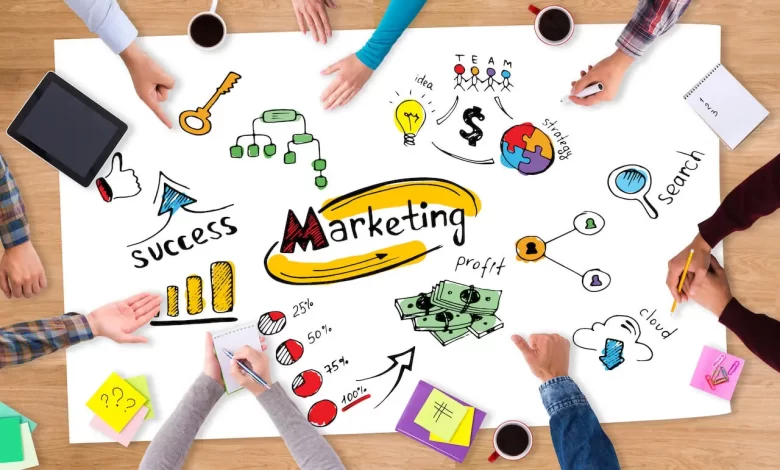
Marketing is no longer just about selling a product or service. It has evolved into a multifaceted discipline that blends strategy, psychology, technology, and creativity. At its core, marketing is about understanding consumer behavior, delivering value, and building long-term relationships. This article delves deeply into the principles, strategies, and modern approaches that make marketing an essential driver of business success.
Understanding the Core Principles of Marketing
Marketing is fundamentally about creating a bridge between a business and its target audience. It involves more than mere promotion—it encompasses research, strategy, engagement, and optimization. To truly excel in marketing, businesses must embrace a customer-centric approach.
Customer-Centric Approach
The cornerstone of effective marketing is understanding the customer. This involves:
- Segmentation: Dividing the market into distinct groups based on demographics, psychographics, and behavior. For example, a fitness brand might segment its audience into beginners, intermediate users, and advanced athletes.
- Targeting: Selecting the most viable segments and tailoring messages to resonate with them.
- Positioning: Crafting a unique value proposition that sets the brand apart in the minds of consumers.
Businesses that focus on customer needs and pain points are better equipped to create marketing strategies that result in engagement and loyalty.
The Marketing Mix: More Than Just Product and Price
The traditional 4 Ps of marketing—Product, Price, Place, and Promotion—remain relevant but have expanded in the digital age to include People, Process, and Physical evidence. Understanding each element is crucial:
- Product: Focus on innovation, quality, and relevance to customer needs.
- Price: Employ dynamic pricing strategies that reflect value perception.
- Place: Ensure optimal availability and accessibility, whether through physical stores or digital platforms.
- Promotion: Craft messaging that leverages social media, content marketing, SEO, and paid advertising.
- People: Train staff and brand ambassadors to reflect the brand’s values and culture.
- Process: Streamline customer experiences, from discovery to post-purchase.
- Physical Evidence: Build trust through reviews, case studies, and credible endorsements.
Understanding these elements allows marketers to design campaigns that integrate seamlessly across channels.
Strategic Marketing: Aligning Business Goals with Market Opportunities
Strategic marketing focuses on long-term planning and data-driven decision-making. Businesses must go beyond tactical execution to embrace strategies that foster growth.
Market Research and Analysis
Effective marketing starts with understanding the market landscape. Market research provides insights into consumer behavior, emerging trends, and competitive positioning. Tools and approaches include:
- Surveys and Focus Groups: Directly capture customer perceptions, preferences, and pain points.
- Social Listening: Analyze conversations and sentiment across social media platforms.
- Competitive Analysis: Identify gaps in the market, assess strengths and weaknesses of competitors, and uncover opportunities for differentiation.
- Analytics Platforms: Utilize platforms like Google Analytics, HubSpot, and SEMrush to track performance and identify actionable insights.
Proper research ensures marketing strategies are grounded in evidence, not assumptions.
Brand Strategy and Identity
A strong brand identity creates recognition, loyalty, and trust. Strategic branding involves:
- Vision and Mission Alignment: Ensure marketing initiatives reflect the company’s core values and long-term vision.
- Consistent Messaging: Maintain a unified voice across all channels, including social media, email marketing, and advertising.
- Emotional Connection: Craft narratives that resonate with consumer emotions and values. Brands that inspire trust and authenticity often outperform competitors.
Customer Journey Mapping
Understanding the path a customer takes from awareness to purchase and advocacy is critical. Marketers map touchpoints to optimize the experience:
- Awareness Stage: Capture attention through social media campaigns, content marketing, or influencer partnerships.
- Consideration Stage: Provide value through case studies, product demonstrations, and educational resources.
- Decision Stage: Use personalized offers, testimonials, and easy checkout processes to convert leads into customers.
- Retention and Advocacy: Maintain engagement through loyalty programs, newsletters, and post-purchase support.
By mapping the customer journey, marketers can identify gaps and optimize every interaction.
Modern Marketing Channels and Techniques
The digital age has transformed how brands connect with consumers. Traditional channels like print and television are complemented by a diverse array of digital platforms.
Content Marketing
Content marketing focuses on delivering valuable information to attract and retain customers. Successful strategies include:
- Educational Blog Posts: Provide in-depth analysis, how-to guides, and industry insights.
- Video Content: Engage audiences through tutorials, webinars, and behind-the-scenes glimpses.
- Interactive Tools: Quizzes, calculators, and surveys that provide personalized insights.
- Email Campaigns: Segmented emails that offer tailored recommendations and promotions.
Content marketing builds authority, nurtures leads, and fosters loyalty over time.
Social Media Marketing
Social media platforms are critical for brand awareness, engagement, and conversion. Key strategies involve:
- Platform-Specific Content: Tailor content for Instagram, LinkedIn, TikTok, and Twitter to match user behavior.
- Community Building: Encourage user-generated content, respond to comments, and create interactive experiences.
- Advertising Campaigns: Leverage paid social media ads with precise targeting to reach the right audience.
Social media offers unparalleled opportunities to connect with consumers on a personal level.
Search Engine Optimization (SEO) and Paid Media
SEO and paid media ensure visibility in competitive digital landscapes. Strategies include:
- On-Page SEO: Optimize website structure, meta tags, and content to align with search intent.
- Off-Page SEO: Build authoritative backlinks and brand mentions.
- Pay-Per-Click Advertising: Use targeted ads on Google and social platforms to drive immediate traffic and conversions.
- Retargeting Campaigns: Engage users who previously interacted with the brand but did not convert.
Combining SEO and paid media allows marketers to balance short-term results with long-term growth.
Data-Driven Marketing
Modern marketers rely heavily on analytics to optimize campaigns and predict consumer behavior. Techniques include:
- A/B Testing: Evaluate multiple versions of ads, landing pages, or email campaigns to identify the most effective.
- Predictive Analytics: Forecast customer behavior using historical data and machine learning models.
- CRM Integration: Leverage customer relationship management systems to personalize interactions and improve retention.
Data-driven marketing ensures resources are allocated efficiently and strategies evolve based on measurable outcomes.
Emerging Trends in Marketing
Marketing is continually evolving. Staying ahead of trends is essential for competitive advantage.
Personalization at Scale
Consumers increasingly expect personalized experiences. Advanced tools allow marketers to:
- Segment audiences based on behavior and preferences.
- Deliver targeted content, recommendations, and offers.
- Automate personalization through AI-driven platforms.
Personalization enhances engagement, improves conversion rates, and builds brand loyalty.
Experiential Marketing
Brands are investing in experiences that create emotional connections. This includes:
- Interactive pop-up events.
- Immersive virtual reality campaigns.
- Gamified engagement strategies.
Experiential marketing emphasizes emotional resonance over traditional product promotion.
Sustainability and Ethical Marketing
Consumers are more conscious of social responsibility. Marketing strategies now focus on:
- Highlighting sustainable practices in production and operations.
- Transparent communication about environmental and social initiatives.
- Engaging in cause-related marketing that aligns with brand values.
Brands that authentically incorporate sustainability into their marketing often gain long-term trust and advocacy.
Challenges and Considerations in Marketing
While marketing offers immense opportunities, challenges persist:
- Information Overload: Consumers are bombarded with messages, requiring innovative approaches to capture attention.
- Rapid Technological Change: Marketers must continually adapt to new platforms, tools, and trends.
- Privacy Concerns: Data-driven marketing must balance personalization with ethical collection and usage of consumer information.
- Cross-Channel Consistency: Maintaining unified messaging across multiple touchpoints is essential but challenging.
Addressing these challenges requires agility, creativity, and strategic foresight.
Key Metrics for Measuring Marketing Success
Measuring success is crucial to refine strategies and demonstrate ROI. Important metrics include:
- Customer Acquisition Cost (CAC): The expense of acquiring a new customer.
- Customer Lifetime Value (CLV): The total revenue expected from a customer over their relationship with the brand.
- Engagement Rates: Social media likes, shares, and comments that indicate audience interaction.
- Conversion Rates: The percentage of leads converted into paying customers.
- Brand Awareness Metrics: Surveys, mentions, and search volume that reflect brand recognition.
Tracking these metrics allows marketers to make informed decisions and optimize campaigns continuously.
Conclusion
Marketing is no longer a peripheral function; it is a central driver of business growth and sustainability. By embracing customer-centric strategies, leveraging modern digital tools, and staying ahead of emerging trends, businesses can create meaningful connections, foster loyalty, and achieve measurable success. Effective marketing blends creativity, data, and strategy to not only promote products but also build lasting brand value.
Frequently Asked Questions About Marketing
1. What is the difference between traditional marketing and digital marketing?
Traditional marketing relies on offline channels such as print, television, and radio. Digital marketing leverages online channels, including social media, email, SEO, and paid advertising, providing real-time analytics and precise targeting.
2. How can small businesses compete with larger brands in marketing?
Small businesses can focus on niche audiences, leverage local SEO, create highly personalized content, and build community engagement to compete effectively without massive budgets.
3. Why is content marketing important for long-term success?
Content marketing builds authority, nurtures leads, and strengthens customer relationships over time. Unlike short-term campaigns, it creates
lasting value that contributes to organic growth.
4. What role does social media play in customer engagement?
Social media allows brands to interact directly with audiences, provide real-time support, showcase personality, and foster community. Engagement builds loyalty and encourages user-generated promotion.
5. How do marketers measure the effectiveness of campaigns?
Effectiveness is measured through KPIs such as conversion rates, customer acquisition cost, engagement metrics, customer lifetime value, and ROI. These metrics guide optimization and strategy refinement.
6. What are the emerging trends marketers should focus on in 2025?
Trends include AI-driven personalization, immersive experiential marketing, sustainable and ethical campaigns, and integration of predictive analytics to anticipate consumer behavior.
7. Can marketing strategies work across different industries?
While principles remain consistent, strategies should be tailored to industry-specific challenges, audience behavior, and product characteristics to maximize relevance and impact.


