The term industry is a cornerstone of modern economies. It encompasses the diverse array of businesses and production systems that transform raw materials into goods, provide essential services, and drive technological progress. The significance of industry extends far beyond economics; it shapes societies, influences employment patterns, and fuels innovation. A deep understanding of industry provides insight into how economies evolve, the challenges businesses face, and the opportunities for sustainable growth in a rapidly changing world.
What Is an Industry?
An industry refers to a collection of businesses or organizations that produce similar goods or offer similar services. Industries can be classified based on the nature of their output, production processes, and market focus. From a strategic perspective, industries serve as building blocks of the economy, creating value, generating employment, and facilitating innovation.
Key Characteristics of an Industry:
- Homogeneity of Products or Services: Companies in the same industry typically offer similar goods or services, enabling standardized processes and market comparisons.
- Shared Supply Chains: Industries often rely on similar raw materials, logistics networks, and distribution channels.
- Regulatory Oversight: Industries face specific regulations that govern safety, environmental impact, labor conditions, and quality standards.
- Market Dynamics: Factors like competition, pricing strategies, and consumer demand are often unique to each industry.
Industries form the backbone of regional, national, and global economic frameworks. Understanding their dynamics is crucial for investors, policymakers, and business leaders aiming to optimize growth and innovation.
Historical Evolution of Industries
Industries have undergone significant transformation over centuries, adapting to technological innovations, population growth, and shifting consumer needs.
Pre-Industrial Era
Before industrialization, production was primarily manual, localized, and limited in scale. Small workshops and cottage industries dominated, with craftsmen producing textiles, pottery, and metalwork. Although production capacity was constrained, these early industries laid the foundation for the complex industrial systems that would emerge later.
Industrial Revolution
The Industrial Revolution, beginning in the late 18th century, revolutionized production. Mechanization replaced manual labor, while steam power accelerated manufacturing capabilities. Industries such as textiles, steel, and coal mining became central to economic growth. Urbanization increased as workers moved to industrial centers, and new socioeconomic structures emerged. Innovations such as the spinning jenny, power loom, and steam engine defined this era.
Post-Industrial and Knowledge Economy
In the 20th century, the focus shifted from manufacturing to knowledge-based industries. The rise of service sectors, technology, and information-driven businesses marked the transition to a post-industrial economy. Sectors like finance, healthcare, and software development began driving growth, while manufacturing evolved with automation, global supply chains, and advanced logistics.
Classification of Industries
Industries are often categorized into primary, secondary, tertiary, and quaternary sectors, reflecting the stages of economic activity and value addition.
Primary Industries
Primary industries extract or harvest natural resources and are fundamental to economic development. Examples include:
- Agriculture: Cultivation of crops, livestock farming, and horticulture.
- Mining: Extraction of minerals, metals, and fossil fuels.
- Forestry and Fishing: Timber production, aquaculture, and commercial fishing.
Primary industries are resource-dependent and often face environmental scrutiny due to sustainability concerns.
Secondary Industries
Secondary industries involve manufacturing and processing raw materials into finished products. This sector is a key driver of employment, technological adoption, and economic diversification.
- Heavy Industry: Steel manufacturing, machinery production, and automotive industries.
- Light Industry: Consumer goods production, electronics, and textiles.
- Construction: Infrastructure development, including residential, commercial, and industrial projects.
Secondary industries often cluster in regions with access to raw materials, skilled labor, and transport infrastructure to optimize operations.
Tertiary Industries
Tertiary industries focus on service delivery, providing intangible value to consumers and businesses.
- Retail and Wholesale Trade: Distribution of goods and products to end users.
- Healthcare and Education: Hospitals, clinics, schools, and universities.
- Financial Services: Banking, insurance, and investment management.
The rise of tertiary industries reflects changing consumption patterns, urbanization, and the increasing value of knowledge-driven services in modern economies.
Quaternary Industries
Quaternary industries are knowledge and innovation-oriented, representing the forefront of economic advancement.
- Information Technology: Software development, cloud computing, and cybersecurity solutions.
- Research and Development (R&D): Industrial innovation, scientific research, and technological breakthroughs.
- Professional Services: Consulting, legal advisory, and strategic planning.
Quaternary industries thrive in regions with strong educational infrastructure, innovation ecosystems, and high-skilled labor pools.
Industrial Clusters and Their Significance
Industrial clusters occur when related industries concentrate geographically. Famous examples include Silicon Valley for technology and Detroit for automotive manufacturing. Clusters enhance competitiveness, productivity, and innovation.
Advantages of Industrial Clusters:
- Innovation Ecosystem: Proximity fosters collaboration, knowledge sharing, and rapid adoption of new ideas.
- Labor Specialization: Concentrated skilled workforce increases efficiency and productivity.
- Supply Chain Efficiency: Shared logistics, suppliers, and distribution channels reduce operational costs.
- Attracting Investment: Clusters draw both domestic and international investment, enhancing regional growth.
Clusters are strategic assets, providing industries with economies of scale and knowledge-based advantages.
Technological Transformation in Industries
Modern industries are being reshaped by technological advancements, which influence production, operations, and market engagement.
Major Technological Trends:
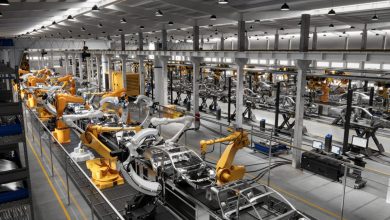
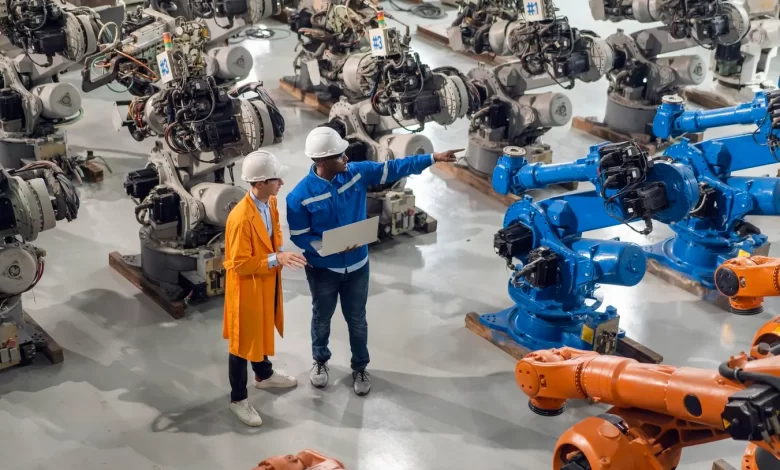
- Automation and Robotics: Enhances precision, reduces labor costs, and optimizes production cycles.
- Artificial Intelligence (AI): Enables predictive analytics, operational efficiency, and customer insights.
- Internet of Things (IoT): Facilitates real-time monitoring of industrial equipment and supply chains.
- Sustainable Technologies: Adoption of renewable energy, eco-friendly production methods, and waste reduction systems.
Industries that integrate these technologies gain competitive advantages, while traditional operations face increasing pressure to innovate.
Challenges Facing Modern Industries
Despite technological progress, industries face numerous challenges that require strategic planning.
- Global Competition: Open markets increase pressure from international competitors.
- Environmental Compliance: Regulations on emissions, resource use, and waste management require significant investment.
- Labor Shortages: Demographic changes and skill gaps impact workforce availability.
- Supply Chain Vulnerabilities: Political instability, natural disasters, and pandemics can disrupt operations.
Proactive investment in workforce training, technological adoption, and sustainable practices is crucial for industrial resilience.
The Role of Industry in Economic Development
Industries are central to economic growth, contributing to GDP, employment, and social advancement.
Economic Contributions:
- Diversification: Reduces reliance on single sectors, stabilizing economies.
- Employment Creation: Generates high-quality jobs and skill development opportunities.
- Infrastructure Growth: Stimulates urbanization, transport networks, and public services.
- Innovation Promotion: Drives R&D and technological adoption across sectors.
Countries with strong industrial foundations tend to have higher economic resilience and adaptability to global market changes.
Globalization and Industry
Globalization has transformed industries into interconnected networks. Multinational corporations leverage:
- Global Supply Chains: Sourcing raw materials and labor from diverse regions.
- Cross-Border Partnerships: Strategic alliances, joint ventures, and technology sharing.
- Market Expansion: Entry into emerging markets to diversify revenue streams.
However, globalization introduces risks such as geopolitical tensions, regulatory complexity, and exposure to international economic fluctuations.
Future Trends in Industry
Industries are poised to undergo further transformation, driven by innovation, sustainability, and digitalization.
- Green and Sustainable Manufacturing: Reducing carbon footprint and implementing circular economy practices.
- Digital Transformation: AI, IoT, and data analytics integrated into production and management.
- Industry 4.0 Implementation: Smart factories, predictive maintenance, and autonomous operations.
- Global Collaboration: Increased focus on international R&D partnerships and knowledge transfer.
Industries that embrace these trends are better positioned for long-term competitiveness and sustainability.
Conclusion
Industries are essential for economic growth, technological innovation, and social development. From primary resource extraction to quaternary knowledge services, industries create value, generate employment, and shape societies. The evolving global landscape, driven by technological advancement and sustainability pressures, demands strategic foresight and adaptability. Understanding the structure, dynamics, and potential of industries is crucial for policymakers, business leaders, and investors aiming to harness their transformative power.
Frequently Asked Questions (FAQs)
Q1: How is an industry different from a sector?
A sector is a broad classification of the economy, such as primary, secondary, or tertiary. An industry is a more specific grouping of businesses producing similar goods or services within a sector.
Q2: What role does technology play in industrial growth?
Technologies like AI, robotics, and IoT improve efficiency, reduce costs, and enable innovation. Industries adopting these technologies gain competitive advantages and can respond faster to market changes.
Q3: Why are industrial clusters important?
Clusters concentrate businesses, skilled labor, and resources, fostering innovation, reducing costs, and attracting investment, which enhances competitiveness.