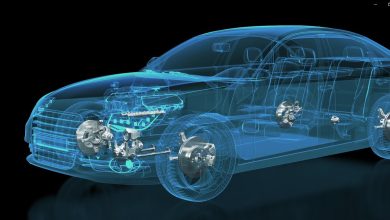
The automotive industry is undergoing a profound transformation that impacts not only how vehicles are designed and manufactured but also how people interact with mobility. As consumer expectations shift and technological advancements accelerate, automotive companies are redefining what a vehicle is capable of. Understanding these trends is essential for professionals, investors, and enthusiasts who want to stay informed about the future of mobility and the role automotive innovation plays in global economies.
Historical Evolution of Automotive Engineering
The automotive sector has continuously evolved since its inception, driven by innovation, consumer demand, and regulatory requirements. Initially, vehicles were handcrafted with simple internal combustion engines. Early automobiles prioritized basic transportation over comfort, safety, or efficiency.
Pioneering Milestones in Automotive History
- 1886: The Benz Patent-Motorwagen – Recognized as the first practical automobile with a gasoline-powered internal combustion engine.
- 1913: Ford’s Assembly Line – Revolutionized production, making vehicles affordable to the masses.
- 1930s–1950s: Safety and Comfort Innovations – Introduction of seat belts, shock absorbers, and improved suspension systems.
- 1970s: Fuel Efficiency and Emissions Standards – Environmental regulations encouraged the development of engines with lower emissions and better fuel economy.
- 1990s: Digital Integration – Vehicles began incorporating computer systems for engine management, diagnostics, and navigation.
These developments highlight how automotive engineering has balanced innovation with safety, performance, and sustainability, laying the foundation for today’s advanced vehicles.
Modern Automotive Technologies
Modern automotive technology spans a wide array of innovations, from electric powertrains to autonomous driving systems. These technologies aim to improve efficiency, safety, and the overall driving experience.
Electric Vehicles and Hybrid Systems
The adoption of electric vehicles (EVs) is rapidly reshaping the automotive landscape. EVs use electric motors powered by rechargeable batteries, eliminating tailpipe emissions and reducing reliance on fossil fuels.
Key Advantages of EVs:
- Zero-emission driving, supporting environmental sustainability.
- Lower maintenance costs due to fewer moving parts compared to internal combustion engines.
- Advanced battery management systems that optimize energy use and lifespan.
Hybrid vehicles, which combine conventional engines with electric motors, offer a practical solution for consumers transitioning to fully electric mobility. Hybrids reduce fuel consumption, extend driving range, and maintain performance during long trips.
Autonomous Vehicles and Advanced Driver Assistance Systems
Autonomous vehicles (AVs) represent a major leap in automotive innovation. Using artificial intelligence, LiDAR sensors, radar, and real-time data processing, AVs can navigate roads with minimal human intervention.
Benefits of Autonomous Technology:
- Reduced human error and lower accident rates.
- Optimized traffic flow through vehicle-to-vehicle communication.
- Greater accessibility for elderly and differently-abled individuals.
Advanced Driver Assistance Systems (ADAS) are increasingly common in modern vehicles, offering features like lane-keeping assistance, adaptive cruise control, automatic emergency braking, and blind-spot monitoring. These systems enhance safety and lay the groundwork for fully autonomous driving.
Connectivity and Smart Vehicle Integration
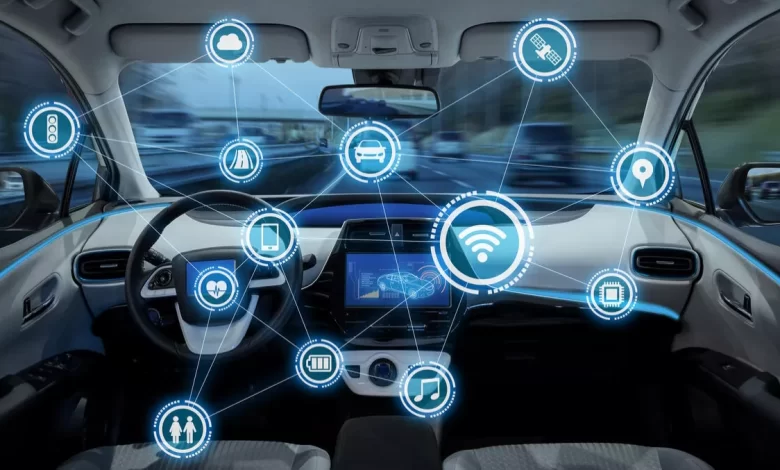
Connected vehicles integrate with the Internet of Things (IoT), providing drivers with enhanced navigation, predictive maintenance alerts, and personalized experiences. Vehicle-to-vehicle (V2V) and vehicle-to-infrastructure (V2I) communication allow cars to share real-time data, improving traffic management and reducing congestion.
Examples of Connected Vehicle Features:
- Over-the-air software updates for performance improvements.
- Real-time diagnostics and predictive maintenance.
- Personalized driver settings, including seat position, climate control, and infotainment preferences.
Materials and Design Innovations in Automotive
Automotive performance and efficiency are heavily influenced by materials and design. Lightweight materials and aerodynamic designs reduce fuel consumption and improve vehicle dynamics.
Key Material Innovations:
- Aluminum and Magnesium Alloys: Reduce weight while maintaining structural integrity.
- Carbon Fiber Composites: Offer high strength-to-weight ratios, especially in performance and luxury vehicles.
- Advanced Polymers: Improve impact resistance and reduce overall vehicle weight.
Design Considerations:
- Aerodynamics to decrease drag and increase efficiency.
- Crash safety features engineered into the vehicle frame.
- Thermal management systems, particularly for electric vehicles, to maintain optimal battery temperatures.
- Ergonomics and interior design that enhance driver and passenger comfort.
Environmental and Regulatory Influences
Environmental sustainability is a critical factor shaping modern automotive development. Governments around the world enforce strict emission standards, fuel efficiency targets, and incentives for eco-friendly vehicles.
Key Regulatory Measures:
- Emission standards for CO2, NOx, and particulate matter.
- Corporate Average Fuel Economy (CAFE) standards to improve fleet-wide fuel efficiency.
- Financial incentives such as tax credits and rebates for EV adoption.
These regulations push automotive manufacturers to innovate in areas like battery technology, lightweight materials, and hybrid or fully electric powertrains.
Advances in Automotive Manufacturing
Manufacturing processes in the automotive sector have evolved from traditional assembly lines to highly automated, data-driven operations. Robotics, additive manufacturing, and predictive analytics now play central roles in production efficiency and quality control.
Modern Manufacturing Innovations:
- Additive Manufacturing (3D Printing): Enables rapid prototyping and production of complex parts.
- Robotic Automation: Enhances precision in assembly, welding, and painting processes.
- Predictive Analytics: Monitors equipment performance and anticipates maintenance needs.
- Smart Factories: Use IoT devices and AI to optimize workflows, reduce waste, and improve safety.
These innovations not only reduce production costs but also improve vehicle quality, reliability, and customization capabilities.
Consumer Experience and Digital Transformation
The modern automotive experience extends beyond vehicle mechanics to include digital engagement, convenience, and personalization. Infotainment systems, mobile connectivity, and telematics solutions redefine how drivers interact with their vehicles.
Emerging Consumer Experience Trends:
- Subscription-based digital services, including navigation, entertainment, and premium software features.
- Personalized driving modes adjusting suspension, steering, and engine responses.
- Integration with ride-sharing, fleet management, and mobility-as-a-service platforms.
By blending technology and user experience, manufacturers can foster loyalty and enhance the value proposition of vehicle ownership.
Challenges and Opportunities in the Automotive Industry
While technological progress is impressive, the automotive sector faces multiple challenges, from supply chain disruptions to high research and development costs.
Major Challenges:
- Scarcity of raw materials for batteries, such as lithium, cobalt, and nickel.
- High R&D expenses for electric, autonomous, and connected vehicle technologies.
- Regulatory compliance across multiple international markets.
Opportunities:
- Expansion of EV charging infrastructure and renewable energy integration.
- Alternative fuel adoption, including hydrogen fuel cells for heavy-duty transportation.
- Growth in connected vehicle services, including predictive maintenance, software upgrades, and telematics subscriptions.
These challenges and opportunities make automotive innovation a dynamic and high-stakes sector, attracting global investment and cutting-edge research.
Emerging Trends Shaping the Future of Automotive
Several trends will define the next decade in automotive technology and mobility.
Electrification and Sustainable Transportation
As governments push for lower carbon emissions, EV adoption will increase, and alternative fuels like hydrogen and biofuels will complement battery technologies.
Autonomous and Urban Mobility Solutions
Fully autonomous vehicles integrated with smart city infrastructure could reduce traffic congestion, optimize logistics, and transform urban transportation networks.
Artificial Intelligence and Predictive Systems
AI-driven predictive maintenance, route optimization, and advanced driver assistance systems will make vehicles safer, more efficient, and responsive to environmental conditions.
Shared and Subscription-Based Mobility
Flexible mobility solutions, including vehicle subscriptions and ride-sharing services, will reduce reliance on private ownership while enhancing access to transportation.
FAQs About Automotive Technology
1. How does regenerative braking improve EV efficiency?
Regenerative braking converts kinetic energy from deceleration into electrical energy stored in the battery, extending driving range and improving efficiency.
2. Are autonomous vehicles safe for everyday use?
Autonomous vehicles are equipped with advanced sensors and AI to navigate traffic safely. While generally safer, human supervision may still be required in complex scenarios.
3. How long do EV batteries last?
Modern EV batteries typically last between 8 and 12 years, depending on driving patterns, charging habits, and environmental conditions. Advanced battery management systems can further extend lifespan.
4. Why are lightweight materials important in vehicle design?
Lightweight materials reduce vehicle weight, improving fuel efficiency, handling, and acceleration without compromising safety.
5. Can hydrogen fuel cells replace electric batteries?
Hydrogen fuel cells complement EV batteries rather than replace them. They are particularly useful in heavy-duty and long-range transportation where battery limitations exist.
6. How does AI enhance automotive safety?
AI processes real-time sensor data to predict hazards, assist drivers, and optimize vehicle control systems, reducing accident risks.
7. What role does telematics play in modern vehicles?
Telematics monitors vehicle health, driver behavior, navigation, and connectivity features, improving safety, convenience, and overall vehicle performance.
The automotive industry continues to evolve rapidly, integrating advanced technologies, sustainable solutions, and digital connectivity. These innovations are shaping the future of mobility, transforming how humans move and interact with vehicles globally.