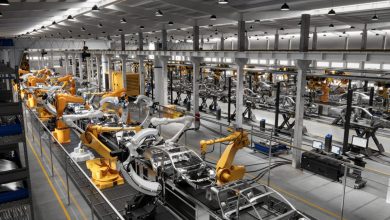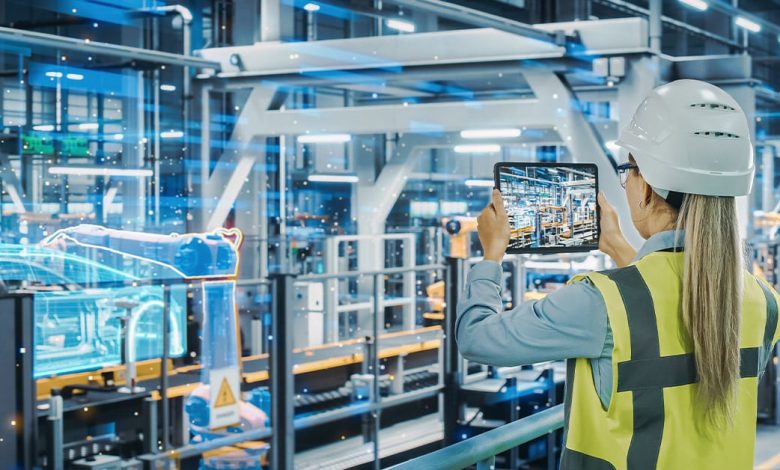
The concept of industry plays a critical role in shaping the global economy. From the production of basic goods to high-tech innovations, industries form the backbone of economic growth, job creation, and technological advancement. Understanding the dynamics of industry is essential for policymakers, investors, and business leaders who aim to navigate the complexities of modern markets. The term “industry” encompasses not only manufacturing but also services, research, and emerging sectors that collectively drive national and global development.
Defining Industry
An industry is a collection of businesses or organizations that produce similar products or provide comparable services. Industries are typically categorized based on the type of goods or services they provide, the methods of production they use, and the markets they serve. Industries are integral to economic systems, as they organize labor, resources, and technology in a way that creates value and facilitates trade.
Key Features of an Industry
- Standardized Production: Businesses within an industry often produce similar products or services, which enables efficiency and comparison.
- Shared Supply Networks: Companies in an industry frequently rely on overlapping supply chains for materials and distribution.
- Regulatory Oversight: Industries operate under specific regulations that govern safety, labor, quality standards, and environmental impact.
- Market Interdependence: Prices, competition, and consumer demand often follow patterns that are specific to each industry.
By analyzing industries, stakeholders can anticipate market trends, identify growth opportunities, and understand the competitive landscape.
Historical Evolution of Industry
Industries have evolved significantly over the centuries, shaped by technology, demographics, and global trade.
Pre-Industrial Era
Before industrialization, production was primarily localized and manual. Cottage industries and small workshops dominated, producing textiles, ceramics, and basic tools. Although production volumes were limited, these early industries laid the foundation for specialized labor and trade networks.
Industrial Revolution
The Industrial Revolution, beginning in the late 18th century, transformed production processes through mechanization and steam power. Industries such as textiles, steel, and coal mining experienced rapid growth. Urbanization increased as labor migrated to industrial centers, and innovations like the spinning jenny, power loom, and steam engine accelerated manufacturing capabilities.
Post-Industrial Era
In the 20th century, many economies transitioned from manufacturing-heavy models to service-oriented economies. Tertiary industries, such as finance, education, healthcare, and technology, began driving economic growth. Automation, advanced logistics, and information systems reshaped manufacturing processes, leading to more efficient and knowledge-driven industrial operations.
Classification of Industries
Industries are broadly classified into primary, secondary, tertiary, and quaternary sectors based on their function and contribution to the economy.
Primary Industries
Primary industries focus on extracting and harvesting natural resources. Examples include:
- Agriculture: Crop cultivation, livestock farming, and horticulture.
- Mining: Extraction of metals, minerals, and fossil fuels.
- Forestry and Fishing: Timber production and commercial fishing operations.
Primary industries are essential for providing raw materials to secondary industries but face sustainability and environmental challenges.
Secondary Industries
Secondary industries involve manufacturing and processing raw materials into finished products. They include:
- Heavy Industry: Steel, machinery, automotive, and chemical manufacturing.
- Light Industry: Electronics, textiles, and consumer goods.
- Construction: Infrastructure projects including residential, commercial, and industrial buildings.
Secondary industries are central to employment generation, technological development, and economic diversification.
Tertiary Industries
Tertiary industries provide services rather than tangible products. Key sectors include:
- Retail and Trade: Distribution of goods to consumers and businesses.
- Healthcare and Education: Hospitals, clinics, schools, and universities.
- Financial Services: Banking, insurance, and investment management.
The growth of tertiary industries reflects urbanization, changing consumer behavior, and the increasing value of information-based services.
Quaternary Industries
Quaternary industries focus on knowledge-based activities. Examples include:
- Information Technology: Software development, cybersecurity, and cloud computing.
- Research and Development: Scientific innovation, industrial research, and product development.
- Professional Services: Consulting, legal services, and strategic planning.
Quaternary industries thrive in regions with advanced education systems, robust research ecosystems, and high-skilled labor.
Industrial Clusters and Their Benefits
Industrial clusters occur when related industries are concentrated geographically, creating competitive advantages and fostering innovation. Famous examples include Silicon Valley for technology and Detroit for automotive production.
Advantages of Industrial Clusters:
- Enhanced Innovation: Proximity facilitates collaboration, knowledge sharing, and faster adoption of technology.
- Specialized Workforce: Concentrated talent pools improve productivity and efficiency.
- Operational Efficiency: Shared logistics and supply networks reduce costs.
- Investment Attraction: Clusters draw domestic and foreign capital, boosting regional development.
By fostering networks of businesses, industrial clusters create ecosystems that accelerate growth and innovation.
Technological Transformation in Industries
Modern industries are increasingly driven by technological advancements that enhance productivity, efficiency, and competitiveness.
Key Technological Trends:
- Automation and Robotics: Streamlines production, reduces labor costs, and ensures consistency.
- Artificial Intelligence (AI): Improves predictive analytics, operational efficiency, and market insights.
- Internet of Things (IoT): Enables real-time monitoring of equipment, inventory, and logistics.
- Sustainable Technologies: Adoption of renewable energy, eco-friendly materials, and waste reduction processes.
Industries that embrace technology are better positioned to compete in global markets and adapt to evolving consumer needs.
Challenges Facing Modern Industries
Despite technological advancements, industries face significant challenges:
- Global Competition: Companies must compete with international players and adapt to foreign market standards.
- Environmental Compliance: Regulations on emissions, waste management, and resource usage require substantial investment.
- Labor Shortages: Demographic shifts and skill gaps can constrain workforce availability.
- Supply Chain Disruptions: Natural disasters, political instability, and pandemics can impact operations.
Addressing these challenges requires strategic planning, investment in human capital, and adoption of innovative technologies.
Industry’s Role in Economic Development
Industries contribute to economic growth, social development, and national prosperity:
- Diversification: Reduces dependence on single sectors, stabilizing economies.
- Employment Generation: Creates jobs across multiple skill levels and enhances workforce capabilities.
- Infrastructure Development: Drives urbanization, transportation networks, and public services.
- Innovation and R&D: Encourages technological progress and industrial competitiveness.
Countries with strong industrial foundations demonstrate higher resilience, innovation, and global influence.
Globalization and Industry
Globalization has interconnected industries worldwide, creating both opportunities and risks:
- International Supply Chains: Raw materials, labor, and finished products move across borders efficiently.
- Cross-Border Collaboration: Joint ventures, technology sharing, and partnerships enhance competitiveness.
- Market Expansion: Industries can access emerging markets and diversify revenue streams.
While globalization offers growth potential, it also exposes industries to geopolitical tensions, regulatory complexity, and economic volatility.
Emerging Trends Shaping the Future of Industry
The future of industries is defined by sustainability, innovation, and digital transformation:
- Green Manufacturing: Sustainable practices and circular economy models are becoming central to industrial operations.
- Digital Transformation: AI, IoT, and data analytics optimize production and strategic decision-making.
- Industry 4.0: Smart factories, autonomous operations, and predictive maintenance enhance efficiency.
- Global Innovation Networks: International collaboration in research and development accelerates technological breakthroughs.
Industries that adapt to these trends are poised for long-term growth and competitive advantage.
Conclusion
Industries are the foundation of modern economies, driving growth, employment, and innovation. From resource extraction to high-tech knowledge services, industries create value and shape societal development. The modern industrial landscape is influenced by globalization, technological advancements, and sustainability imperatives. Stakeholders who understand industrial dynamics, invest in innovation, and adopt sustainable practices will lead the way in shaping the future of global industry.
Frequently Asked Questions (FAQs)
Q1: How does an industry differ from a sector?
A sector represents a broad economic category, such as primary, secondary, or tertiary. An industry is a more specific group of businesses producing similar goods or services within a sector.
Q2: What impact does technology have on industries?
Technology drives efficiency, reduces costs, and enables innovation. AI, robotics, and IoT help industries optimize production, enhance decision-making, and improve customer experiences.
Q3: Why are industrial clusters important for innovation?
Clusters concentrate talent, resources, and related businesses, fostering collaboration, knowledge sharing, and faster adoption of new technologies.
Q4: What are the major challenges industries face today?
Challenges include global competition, environmental regulations, labor shortages, and supply chain vulnerabilities. Industries must innovate and adopt sustainable practices to remain competitive.
Q5: How do industries contribute to economic development?
Industries generate employment, diversify economies, encourage infrastructure development, and drive technological innovation, contributing to national growth and prosperity.
Q6: What trends are shaping the future of industry?
Key trends include green manufacturing, Industry 4.0, digital transformation, and global R&D collaboration, all of which position industries for sustainable growth and global competitiveness.